
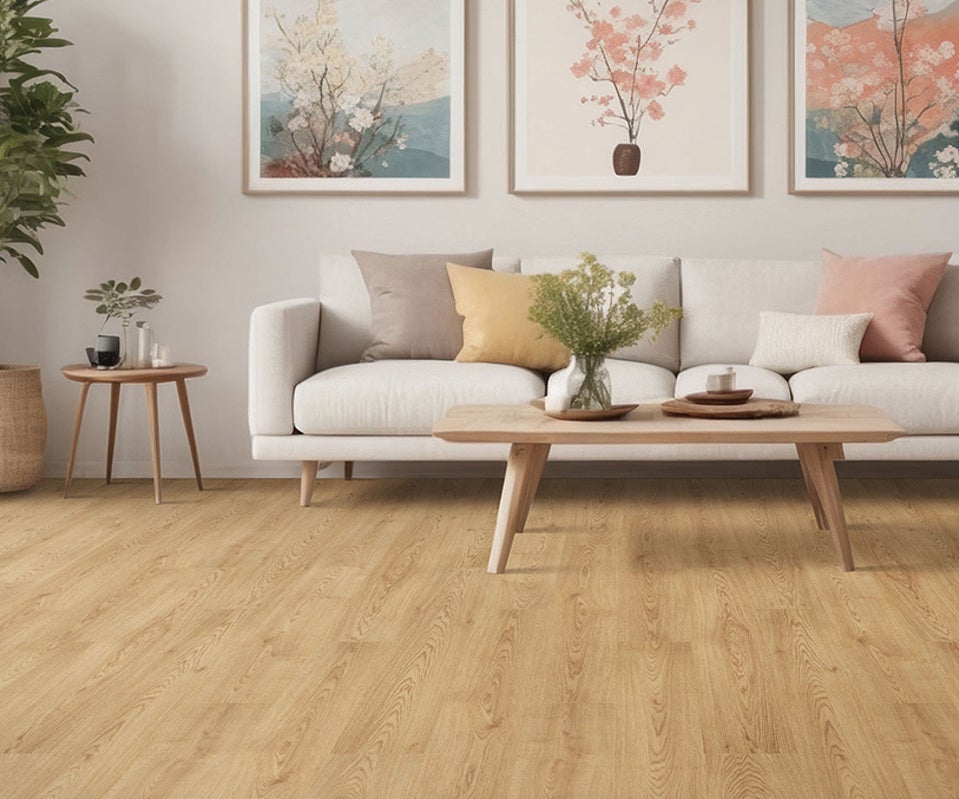
It’s a popular look found in design magazines everywhere or the catalog of a certain Swedish furniture giant: pale wood underfoot, white walls, a chunky knit throw on the sofa, and a single plant by the window. Somehow the room feels calm, warm, and lived-in all at once. It's no accident, and it's not as hard to pull off as it looks.
So, what is Scandinavian interior design, and how do you bring it into a real home with real kids, pets, and clutter? Let's explore the style's key elements and the floors that can help bring it to life.
What Is Scandinavian Interior Design?
Scandinavian interior design is a style rooted in the Nordic countries that blends simplicity, natural materials, and light, neutral colors. It favors functional furniture, cozy textiles, and uncluttered rooms. The goal is to create a home that feels bright, warm, and calm, especially during long, dark winters.
The style grew out of a practical need. Winters in northern Europe bring short days, so homes were designed to bounce every bit of daylight around. Natural materials and soft layers added warmth to make rooms feel more inviting.
In recent years, you may have heard the Danish word hygge (pronounced "hoo-gah"), which describes a feeling of cozy contentment. Think of it as the overall mood Scandinavian design is trying to create.
Key Elements of Scandinavian Design
The style rests on a handful of repeatable ideas. Once you spot them, you can borrow as many as suit your home.
- Light, neutral palette: White, soft gray, and warm off-white walls make rooms feel open and airy. Muted blues, sage, or blush often appear as quiet accents.
- Natural materials: Wood, wool, linen, cotton, and leather add texture without fuss. Expect to see plenty of pale wood in furniture and floors.
- Clean lines: Furniture tends to be simple, with slim legs and gentle curves. Nothing is overly ornate.
- Function first: Every piece earns its place. Smart storage keeps surfaces clear.
- Layered textiles: Rugs, throws, and pillows bring the warmth that a minimal room might otherwise lack.
- Plenty of light: Sheer curtains, mirrors, and open window frames help daylight reach deep into the home
Here's the secret: Scandinavian rooms are clean and minimalist without feeling cold or empty. Textures do the heavy lifting that pattern and color do in other styles.
How Does Scandinavian Style Differ from Other Minimalist Looks?
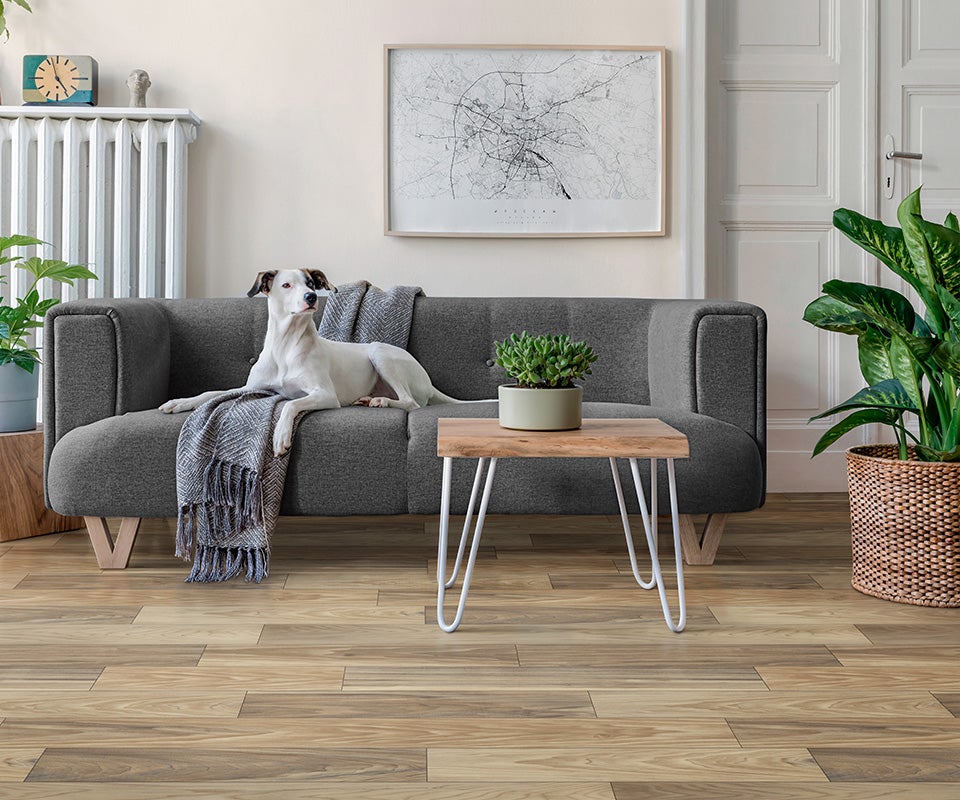
Scandinavian design is minimalist, but it's softer and warmer than many other minimalist styles. Where strict minimalism can feel stark, Scandinavian rooms welcome texture, wood grain, and cozy layers.
Compared with modern farmhouse, the palette is cooler and the details are simpler. There are fewer rustic materials like shiplap and distressed wood, and more smooth, pale surfaces. Compared with mid-century modern, which leans on bold color and richly toned wood, Scandinavian style stays quieter and lighter.
Why Floors Matter in Scandinavian Design
Floors are the largest surface in most rooms, so they set the tone for the entire style. In Scandinavian design, the floor acts as a warm, natural backdrop that anchors all that white and neutrality.
The most common choice is a light, matte wood tone. Think pale oak, ash, birch, or beech, often with a visible but gentle grain. Wide planks add to the open feel because fewer joints in the floor create a calmer, more seamless flow from room to room.
Finish matters, too. A matte or satin finish looks natural and helps reduce glare, whereas a high-gloss floor can feel too formal for this style.
Best Floors for Scandinavian Style
You have three strong options for getting the Scandinavian look. Each fits a different budget, lifestyle, and maintenance appetite.
Hardwood Flooring
Hardwood is the classic choice for Scandinavian style because it's the real, natural material the design celebrates. Light species like oak, ash, and maple have the pale, soft look you want. A matte finish keeps things understated.
Hardwood flooring comes in solid and engineered construction. Solid hardwood is milled from a single piece of wood, while engineered hardwood has a real wood top layer over a durable synthetic core. Engineered planks are often more stable in environments with big swings in humidity, which can make them a smart pick in many homes.
Both types of hardwood can often be refinished, which means you can refresh its look over time. The main potential trade-off with hardwood is that it can scratch easier than other types of flooring and is sensitive to moisture, so it's worth thinking about your household needs before you commit.
Vinyl Flooring
Vinyl is a budget-friendly, low-maintenance way to get the light-wood look. Luxury vinyl plank is a manmade product with a printed wood-grain image and texture, protected by a durable, clear wear layer.
Today's vinyl flooring can closely mimic pale oak and ash, with realistic grain and soft matte textures. It’s typically waterproof or highly water-resistant and tends to be more comfortable underfoot than real wood. Those traits all help make it a good fit for busy kitchens, kid-friendly playrooms, and entryways, where practicality matters as much as style. The trade-off: even the best wood-look vinyl is still a manufactured product, so choose a plank with varied, natural-looking patterns to avoid a repeating look. Browse the wood-look flooring options to see how much variety there is.
Laminate Flooring
Laminate gives you the airy, pale-wood effect at a friendly price. It has a photographic wood layer fused over a dense fiberboard core, topped with a protective coating.
Laminate flooring is available in wide planks and soft, light tones that suit Scandinavian rooms nicely. It's a good option for bedrooms, living rooms, and home offices. Many styles also have textured surfaces that follow the grain, so they feel more like real wood.
Laminate can be sensitive to standing water, so it's usually better in drier rooms. A flooring professional can help you match the right product to the right space.
Hardwood vs. Vinyl vs. Laminate for Scandinavian Style
Each option can deliver the look. This quick comparison can help you weigh the differences.
Feature | Hardwood | Vinyl | Laminate |
Natural look | Real wood grain, unique to each plank | Realistic wood-look prints | Realistic wood-look prints |
Moisture tolerance | Can be sensitive to moisture | Often a strong choice for moisture-prone areas | Can be sensitive to standing water |
Refinishing | Can be refinished | Cannot be refinished | Cannot be refinished |
Comfort underfoot | Firm, warm to the eye | Often softer and quieter | Firm, can feel quieter with underlayment |
Maintenance | Moderate | Low | Low |
Budget fit | Typically, a higher investment | Often budget-friendly | Often budget-friendly |
Tip: Ask for samples and look at them in your own room. Scandinavian floors are all about light, and a plank can look quite different in your home's daylight than it does in a showroom.
Styling Your Scandinavian Floors
The floor is only part of the picture. A few simple touches finish the room.
- Choose a pale, matte tone. Soft, natural wood shades keep the room bright.
- Go wide when you can. Wider planks create a cleaner, more open look.
- Add a textured rug. A wool or flatweave rug brings in the warmth of hygge. If you're thinking about wall-to-wall softness in a bedroom, carpet in a neutral shade can also work.
- Keep it consistent. Using the same floor throughout helps rooms feel connected.
- Care for it gently. Sweep or vacuum regularly and use a damp, not wet, mop, and be sure to use manufacturer-approved cleaners.
Is Scandinavian Style Right for Your Home?
It may be a great fit if you love a calm, uncluttered space and want a home that feels bright even on gray days. It works in small apartments, family homes, and everything in between.
If you have a big family or lots of gear, the style can still work. You just need smart storage and durable, easy-care floors. Pets and kids are part of life, so a pet-friendly, kid-friendly floor like vinyl or laminate can keep things practical. If you love natural character and long-term charm, hardwood is hard to beat.
Bringing Scandinavian Style Home
Scandinavian interior design is all about light, natural texture, and simple, functional rooms. Pale, matte floors in hardwood, vinyl, or laminate set the stage, and cozy textiles add the warmth. Choose based on your budget, your household, and how much maintenance you want to take on.
Ready to see your options in person? Schedule a FREE in-home estimate with Empire Today®, and a flooring professional will bring samples right to your door. With more than 70 markets across the country, Empire® makes it easy to get started. Want more ideas first? Keep exploring the Inspiration Center!