
When selecting new floors, narrowing down the style, the material, and the budget may seem like the only decisions to be made. Then you hold two samples side by side, one pale and airy, one deep and dramatic, and suddenly the process feels much more daunting than it did five minutes ago.
That's the light vs dark floors dilemma, and it's more than a style question. Shade affects how big a room feels, how much dust and dirt show, and how your furniture and walls look. Let's break it down so you can choose with confidence.
How Light vs Dark Floors Change the Feel of a Room
Light floors reflect light and tend to make a space feel open and airy, while dark floors absorb light and tend to make it feel cozy and grounded. Think of it like clothing: a pale linen shirt feels breezy, and a charcoal sweater feels more cozy.
Here is how each shade typically plays out:
- Light floors: Shades like natural oak, ash, or pale gray-beige can help small or dim rooms feel more open. They suit Scandinavian, coastal, and modern farmhouse looks.
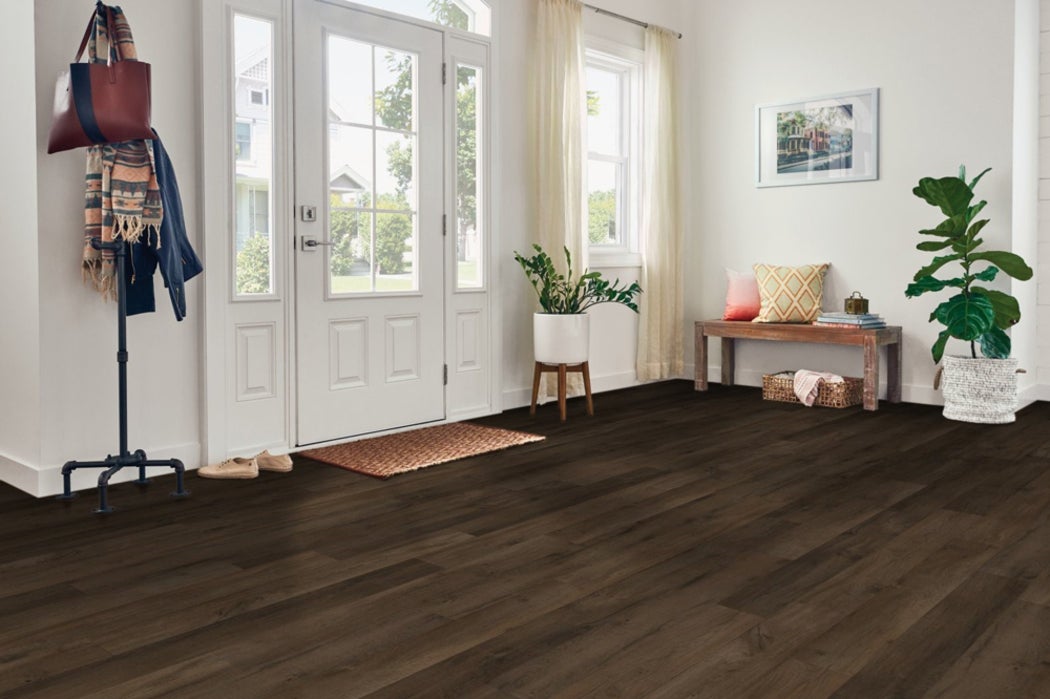
- Dark floors: Espresso, walnut, and deep gray tones create contrast and a sense of richness. They often pair well with traditional, industrial, and moody designs.
- Mid-tones: Medium browns and warm grays sit in between and can be a flexible compromise if you can't decide.
Ceiling height and window size matter too. A dark floor in a room with big windows can look stunning, while the same floor in a small, shaded room may feel heavy.
Light vs Dark Hardwood Floors
Light hardwood is typically more forgiving of dust and surface wear, while dark hardwood shows contrast more but offers a bold, polished look. Both can be beautiful, and both can be refinished over time.
Hardwood comes in solid and engineered construction. Solid hardwood is milled from a single piece of wood, while engineered hardwood has a real wood top layer over a layered core. Either can be found in light or dark finishes.
Light species such as maple and white oak often have a subtle grain that can help disguise everyday scuffs. Dark stains look rich, but light-colored dust, pet hair, and scratches that expose the lighter wood beneath can stand out. Sunlight can also fade or shift wood tones over time, so rugs and window coverings can be helpful.
Tip: Felt pads under furniture legs can help protect any shade of hardwood, and check with your manufacturer for approved cleaners and care steps.
Light vs Dark Vinyl Floors
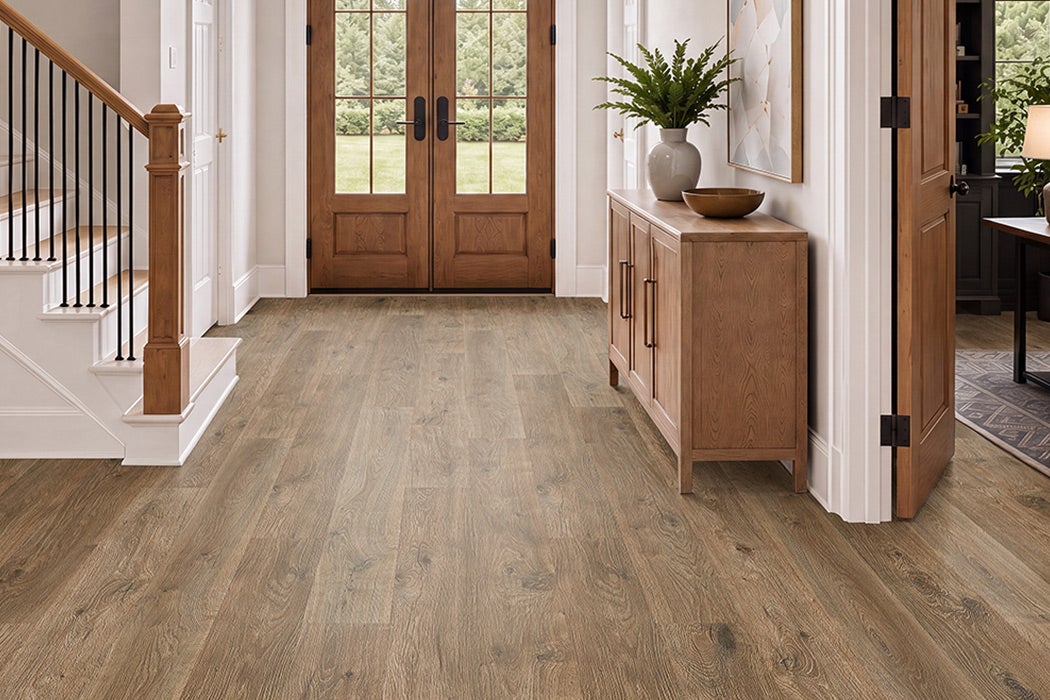
Light vinyl floors tend to hide dust and crumbs well, while dark vinyl floors show them more but give a dramatic, designer look. Because the color is part of the printed design layer, you have lots of choices in either direction.
Vinyl is a synthetic flooring made of layers, including a printed image layer and a clear wear layer on top. The wear layer is the protective surface that takes the daily abuse. Many homeowners love vinyl for busy kitchens, baths, and family rooms.
If you want a natural look, wood-look flooring in vinyl lets you get the wood look in light or dark tones. Dark vinyl can show footprints and water spots on a freshly cleaned floor, so plan on regular sweeping, and check with your manufacturer for approved cleaners.
Light vs Dark Laminate Floors
Light laminate usually looks more forgiving between cleanings, while dark laminate can look striking but may reveal dust, lint, and pet hair faster. The look comes from a printed photographic layer, so you can get convincing wood tones in nearly any shade.
Laminate is built from a fiberboard core, a printed design layer, and a tough clear coating on top. It's a budget-friendly way to get a rich, dark plank look or a bright, Scandinavian-style one.
Texture matters as much as color. Embossed-in-register textures, which line up with the wood grain pattern, can add realism and may help break up the look of dust. A flooring professional can show you how different finishes look in your home's light.
How to Choose Between Light and Dark Floors for Your Household
Start with your room's light, your household, and your upkeep tolerance.Those three factors usually point you to the right shade faster than any trend does.
- Check your natural light. North-facing or small-windowed rooms often benefit from lighter floors. Sun-filled rooms can handle darker tones.
- Think about your household. Kids and pets bring dirt, hair, and scratches. Light-to-mid tones tend to be more forgiving, though a dark floor can work if you sweep often.
- Consider your walls and furniture. Contrast is the key. Dark floors pop against light walls, and light floors can help soften dark furniture.
- Match your upkeep appetite. Dark floors often look best with frequent dusting. Lighter floors can go longer between cleanings.
- Look at the whole home. If your rooms flow together, a consistent tone can create a more seamless flow.
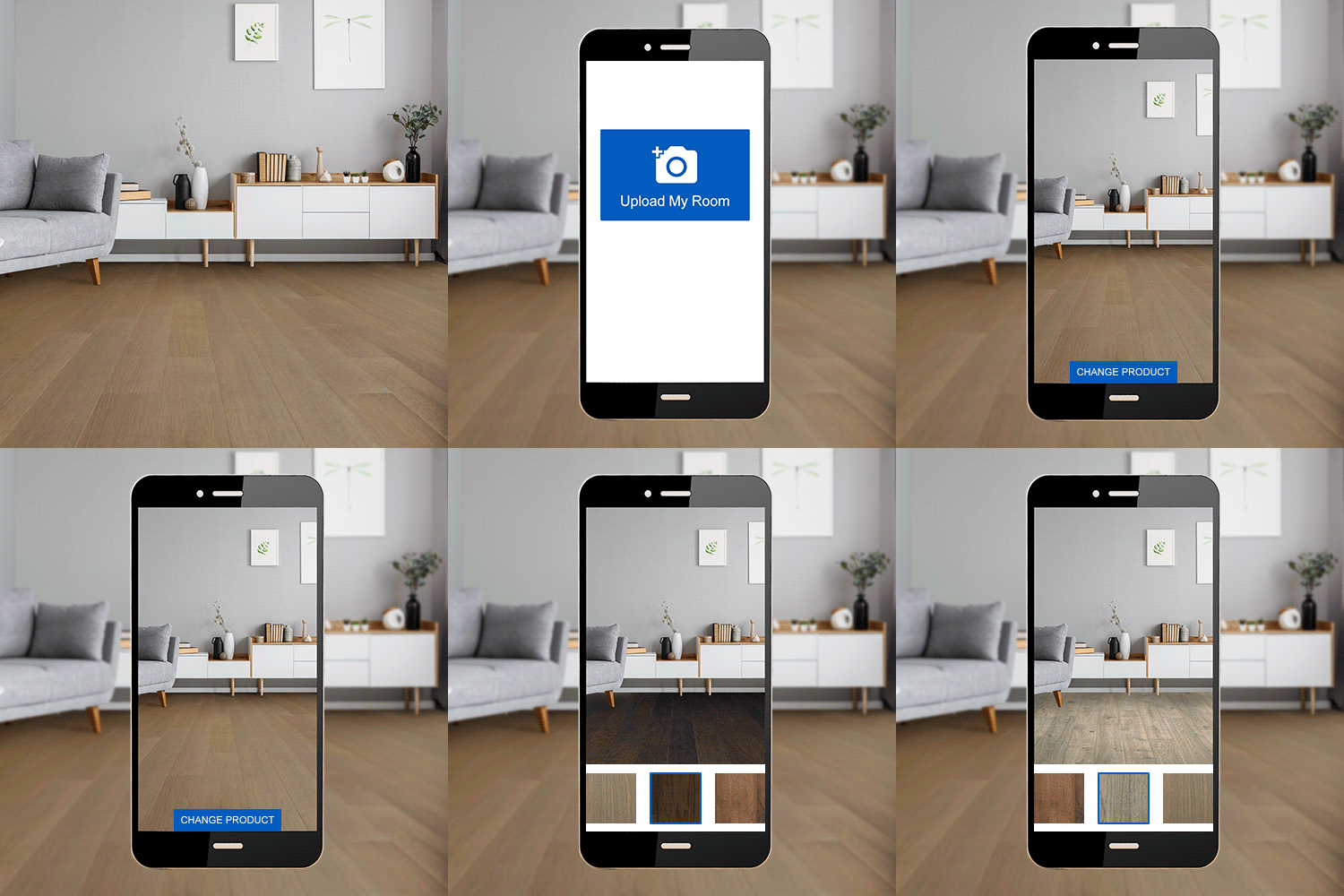
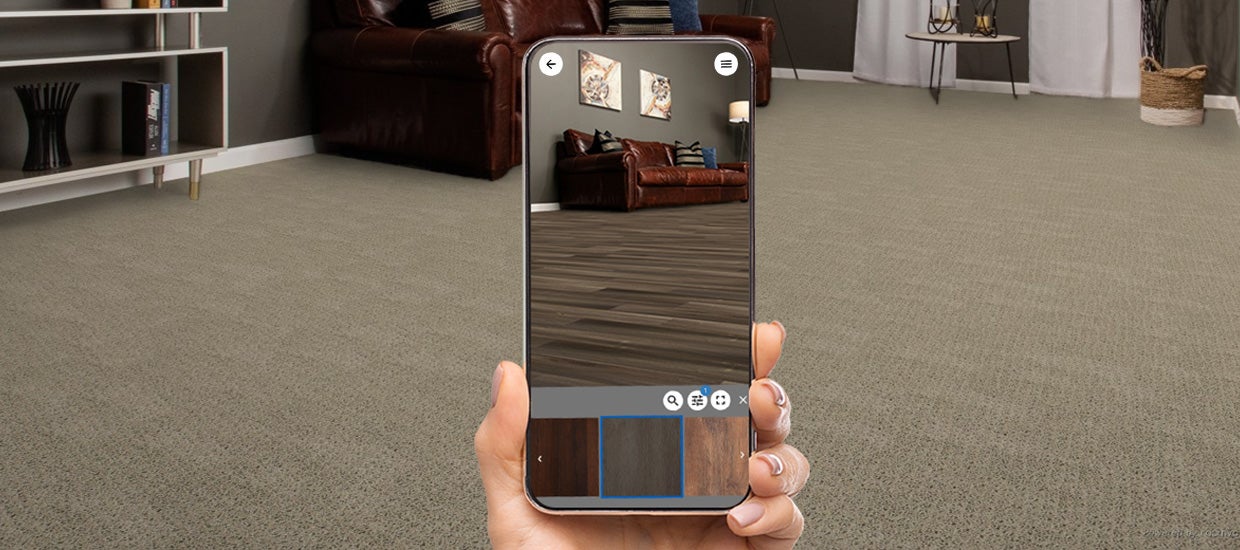
Not sure you can picture it? Try the Empire Today® floor designer to preview shades in a space like yours. to preview shades in a space like yours.
Frequently Asked Questions
Are light or dark floors easier to keep clean?
Neither is truly effortless. Dark floors often show dust, lint, and water spots more, while light floors can show darker dirt and spills. Many homeowners find mid-tones with some texture the easiest to live with. Check with your manufacturer for approved cleaners.
Do dark floors make a room look smaller?
They can. Dark floors absorb more light, which may make a small room feel more enclosed. With plenty of windows, light walls, and good lighting, though, they can add depth and elegance instead.
Do light floors go out of style?
Light floors have a long track record, especially in Scandinavian, coastal, and modern farmhouse homes. Styles shift, but natural, neutral tones are often considered timeless. Choosing a shade you love and that suits your light is usually the safest path.
Are light or dark floors better for pets?
Mid-tone floors with a bit of texture tend to hide pet hair and minor scratches best. Dark floors can show light-colored fur, and light floors can show darker fur. Choose a durable, pet-friendly surface, such as vinyl or laminate with a strong wear layer.
Choosing Between Light and Dark Floors
Light floors tend to brighten and open a space, and dark floors tend to add drama and depth. Let your natural light, household, and upkeep appetite guide you, and don't be afraid of a mid-tone if you want a bit of both.
Ready to see your options in person? Schedule a FREE in-home estimate with Empire Today® and a flooring professional will bring samples right to your door. With more than 70 markets across the country, Empire® makes it easy to get started. You can also keep exploring ideas in the Inspiration Center.