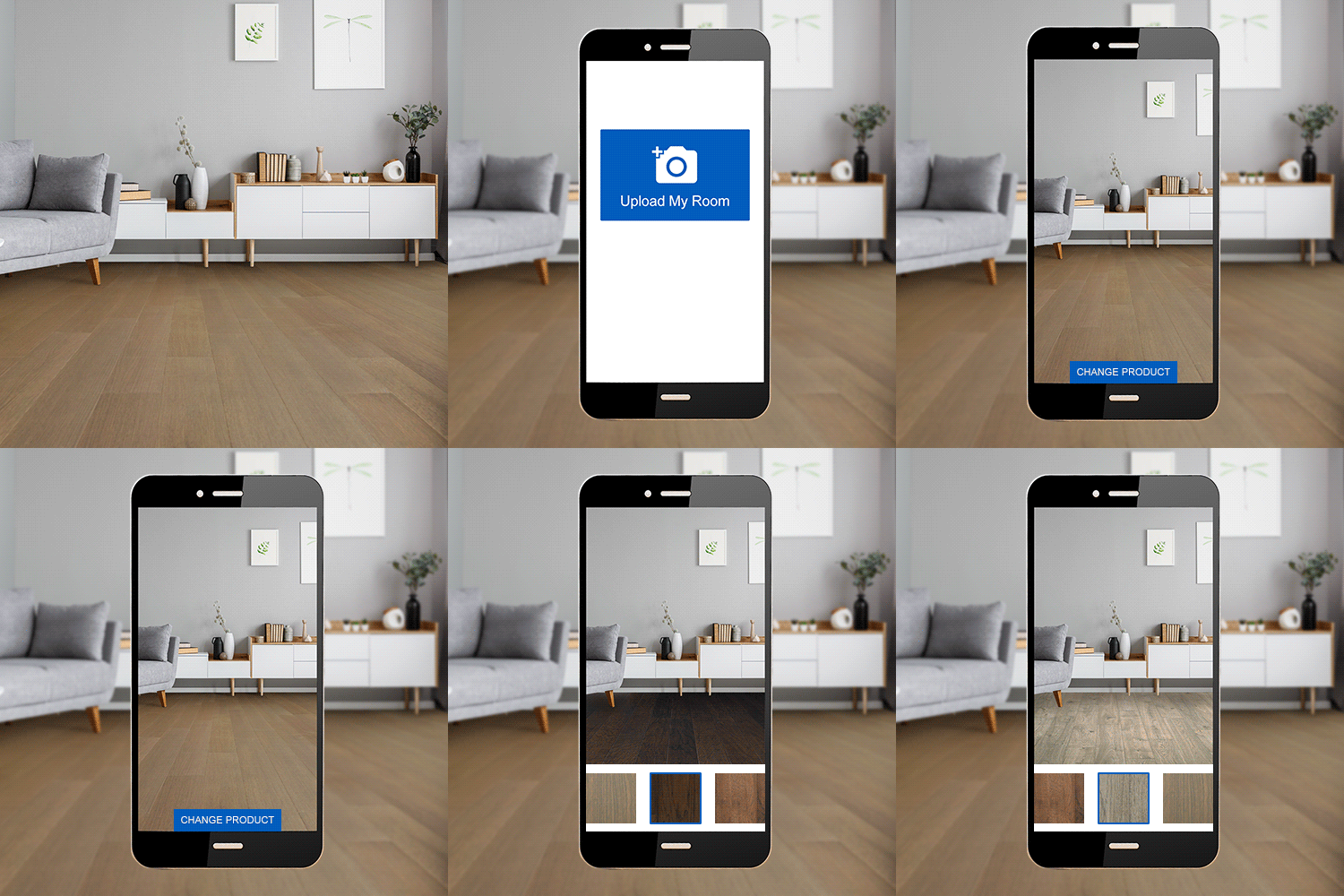

On a quest to find the perfect statement piece of furniture, you bring home a gorgeous walnut dining table. But once it’s in your home and you set it on your honey oak floors, suddenly something feels off. It doesn’t look bad, exactly, it just feels like two people talking over each other. The different wood tones are clashing.
So how do you get wood tones to play nicely together? Let's explore how to mix wood tones in your home without clashing, from floors to furniture to trim.
Why Mixed Wood Tones Work
Mixing different styles of wood can add warmth, depth, and character in ways that a uniform look rarely can. Rooms where every surface is the same finish can feel flat, a bit like wearing one color head to toe.
Think of it like a good playlist. You wouldn’t want every song to sound the same, but they should share a vibe or even create a nice contrast in their rhythm. The same goes for wood: the tones and styles can be different, as long as something connects them thematically.
The goal isn't to match. It's to coordinate, so your eye moves around the room instead of snagging on one odd piece.
Start With Your Undertones
Undertone is the subtle hue beneath a wood's surface color, and it's the biggest determining factor in whether different wood tones clash or harmonize. Most wood falls into three groups:
- Warm undertones: red, orange, or yellow hints, common in cherry, red oak, and honey-finished woods.
- Cool undertones: Gray, ash, or faintly blue hints, often seen in weathered, whitewashed, or gray-stained woods.
- Neutral undertones: Balanced tones that lean neither way, like many natural maple and white oak finishes.
Neutral woods are the peacemakers. They sit comfortably beside warm or cool tones, which makes them handy bridges between styles with greater contrast
Tip: Look at your wood in daylight and again under evening lamps. Light bulbs can pull out reds or yellows you didn't notice at noon.
What Is the Best Way to Pair Wood Tones?
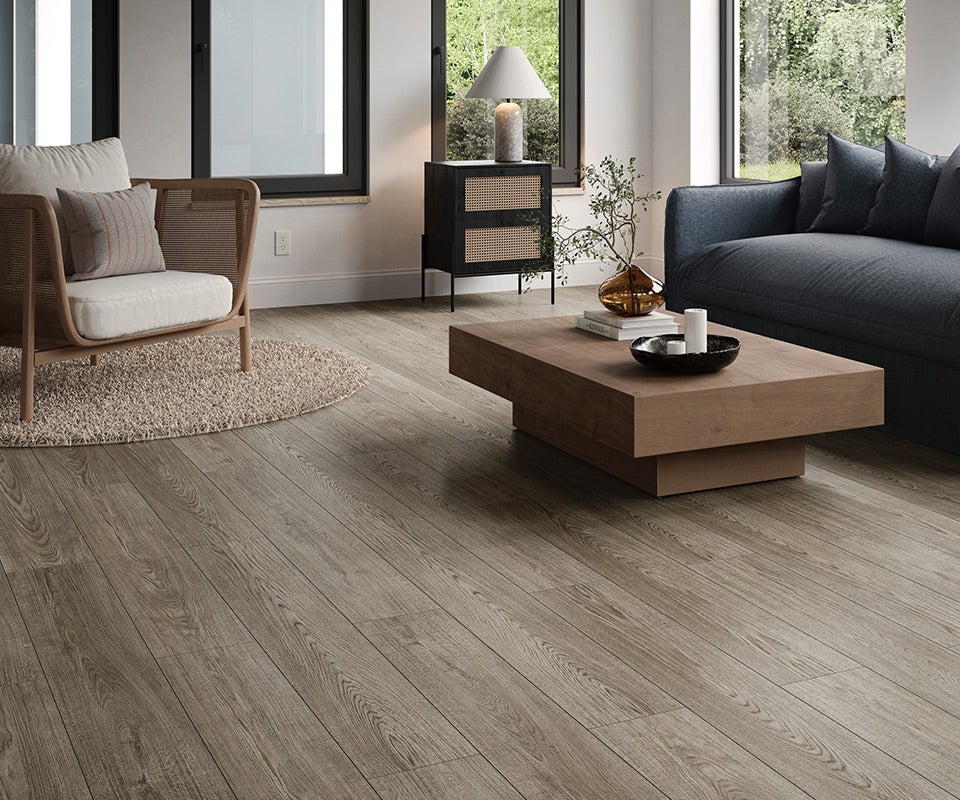
The most reliable approach is to match undertones and vary the depth—or the intensity of that undertone.Alternatively, you can keep the depth similar and vary the grain.Here are some combinations that tend to work well:
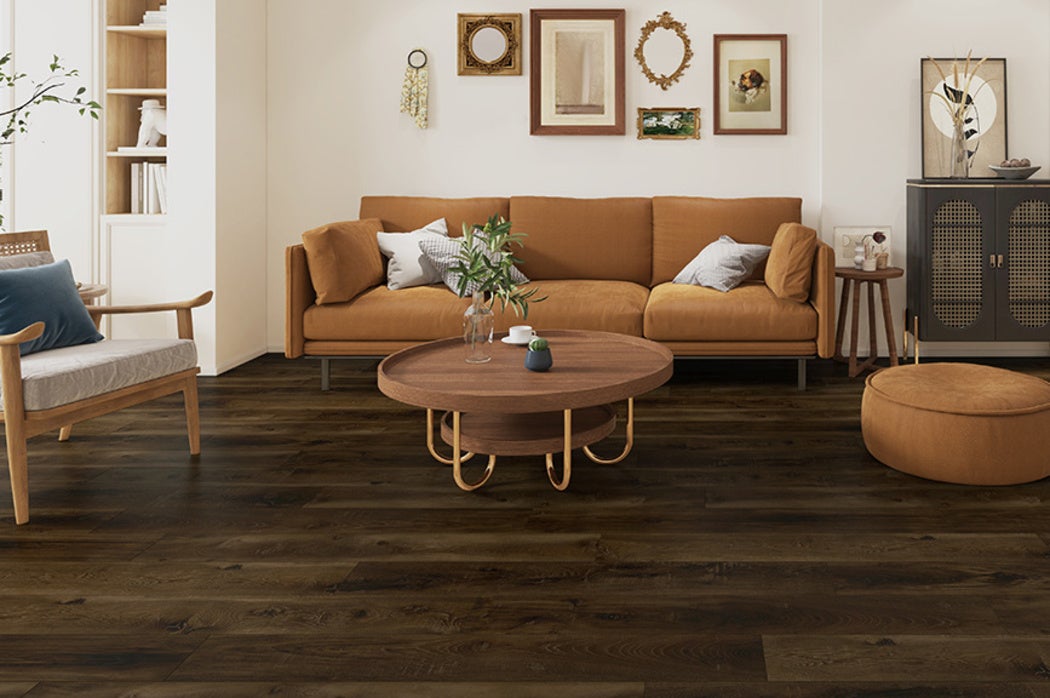
- Same undertone, different depth. Pair a medium warm floor with a deep chestnut table. Both lean warm, so the contrast feels intentional.
- Neutral bridge. Use a neutral wood, such as a natural maple side table, between a warm floor and a cool-toned cabinet.
- Clear contrast. Put a very dark wood against a very light one. Big differences read as deliberate, while near-matches read as mistakes.
- Grain variety. Combine a straight-grained floor with a table that has bolder and more varied grain, as long as the tones are close.
The one pairing to avoid is two woods that are almost the same but not quite. A floor that's a shade off from your cabinets will look like a failed match.
How Many Wood Tones Should You Use in One Room?
Two to three wood tones per room is a comfortable range for most homes. That includes your floor, furniture, trim, and cabinets. More than that can feel busy unless the tones are closely related.
Try the 60-30-10 idea, a concept borrowed from color design. Let one tone cover roughly the largest share of the space, while a second style takes a supporting role, and a third shows up as an accent.
Repeat each tone at least twice. If you have a single dark wood piece, it will look like an orphan. Add a picture frame or stool in the same shade and it suddenly every piece in the room looks deliberate.
Start With Your Floors
Your floor is the largest wood surface in the room, so it sets the tone for everything else. Choose it first, or work from the one you already have.
Hardwood flooring is a natural anchor because even though there are some excellent alternatives on the market, real wood brings subtle variations in character that just can’t be beat. That variation gives you more visual elements to coordinate with. Species matters too: oak often reads warm to neutral, maple tends to be lighter and smoother, and hickory shows bold contrast within the plank.
If you love the look of wood but want a different material, wood-look flooring can give you the same palette to work with, in a more affordable and convenient material. A flooring professional can help you compare options in your own light.
Mixing Floors with Existing Cabinets and Trim
Rather than chasing a perfect match between your flooring and cabinets, aim for a clear step in the tone. If your cabinets are a medium cherry, a floor that's noticeably lighter or darker will look better than one that's nearly the same hue.
Trim is often painted, which sidesteps the issue. If your trim is stained wood, keep it consistent from room to room, so it acts as a steady thread through the house.
Mixing Floors Between Rooms
Hardwood flooring that continues through connected rooms can create seamless flow. If you do change floors, make the shift at a natural break, such as a doorway, and keep undertones related, so the transition feels easy.
Tie Everything Together
Once your woods are chosen, a few unifying elements make the mix feel finished:
- Area rugs: Pick a rug that includes both your floor tone and a furniture tone in its pattern. It can help connect the different looks.
- Paint colors: Soft, neutral walls give mixed woods room to breathe. Very saturated walls can fight with strong undertones.
- Metal finishes: Brass tends to flatter warm woods, while black or brushed nickel suits cooler ones. Using the same metal repeatedly helps unify the room.
- Textiles and plants: Greenery and woven fabrics soften the edges between tones.
- Strategic placement: Spread your tones around the room, too. Put a dark wood piece on one side and echo it on the other, so the color feels balanced rather than lopsided.Common Mistakes When Mixing Wood Tones
Most clashes come down to a few easy-to-fix habits.
- Near-matches: Two adjacent woods that are almost—but not quite—the same look as a mistake. Choose something clearly lighter or darker.
- Competing undertones: A red-leaning floor beside a gray-leaning table can look muddy.
- Too many tones: Beyond three or four, the room can feel scattered.
- One lonely piece: A single dark item with nothing to echo it can look out of place.
- Ignoring the light: Rooms with lots of sun can shift how a wood looks across the day.
Tip: Before you commit, set a floor sample next to your largest wood pieces and look at them together at different times of day.
Mixing Wood Tones in Different Rooms
Each room has its own rhythm, so the best mix can vary.
Living Rooms
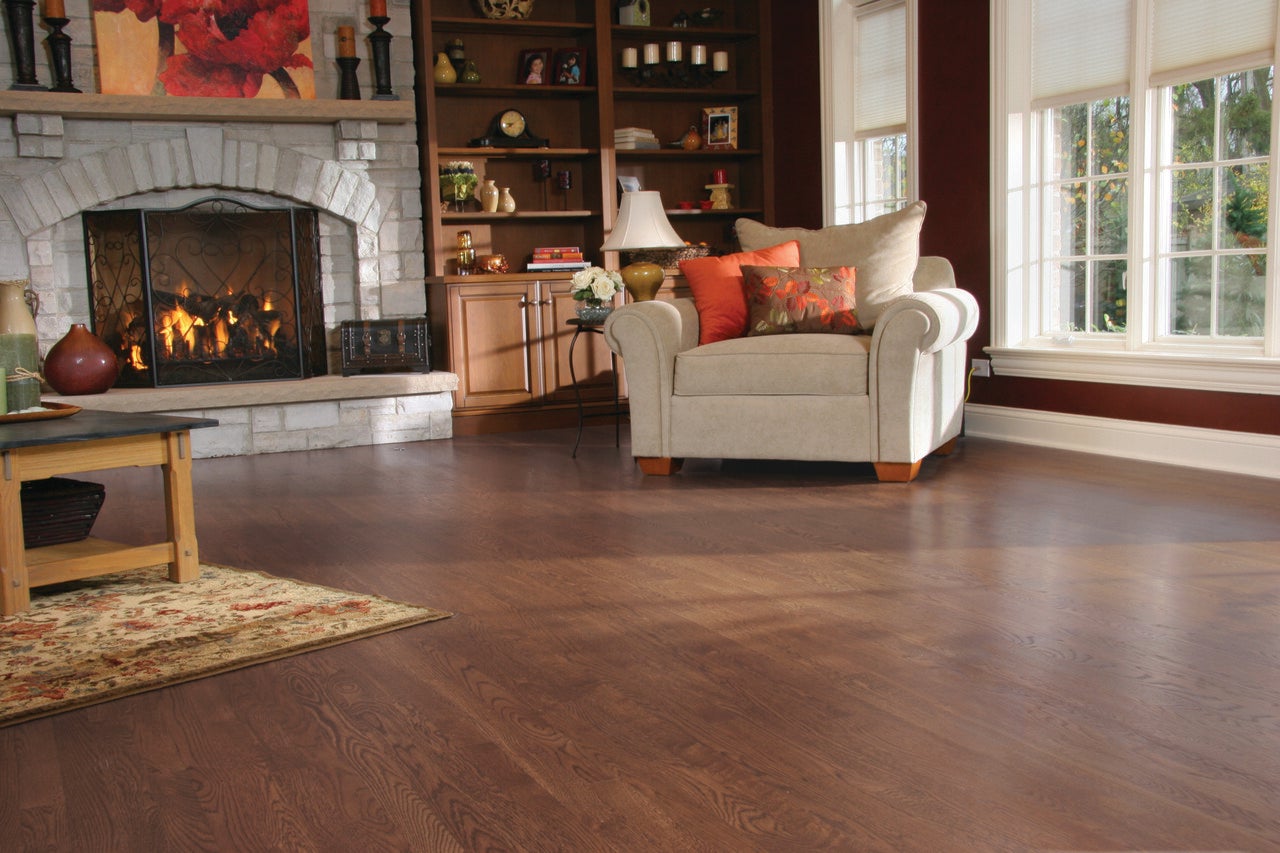
Let the floor be your base, then layer in a coffee table, shelving, and frames in one or two other tones. A large rug can bridge them.
Kitchens
Cabinets, a butcher block counter, and floors all compete here. Choose one as the star and let the others support it. Wood stools or open shelves can repeat a secondary tone.
Bedrooms
Bedrooms often feel best when calm. Keep the tones close in undertone and vary depth, such as a lighter floor with a darker bed frame and nightstands.
Open Floor Plans
With sightlines running from room to room, repeat each tone in at least two areas. That repetition keeps a big space feeling cohesive.
Your Wood-Mixing Game Plan
To mix wood tones in your home without clashing, choose a dominant tone, match undertones, vary the depth, and repeat each wood at least twice. Keep to two or three tones per room, then use rugs, paint, and metals to tie them together.
Ready to see your options in person? Schedule a FREE in-home estimate with Empire Today®, and a flooring professional will bring samples right to your door, so you can test tones against your own furniture and light. With more than 70 markets across the country, Empire® makes it easy to get started!
Want more ideas first? Browse the Inspiration Center for more design guidance.