
Stand in your entryway for a second and look down. Is your floor doing anything to welcome you home, or is it just...there? Interior floor design is one of those decisions homeowners tend to make room by room, sample by sample, without stepping back to see the whole picture. But your floors touch every space you live in, so they deserve a plan that's bigger than "whatever's on sale this week."
Maybe you're renovating one room and wondering how it will read next to the hallway you did last year. Maybe you're starting from scratch and staring at a stack of samples that all suddenly look the same. Either way, the question is the same: how do you choose flooring that actually complements your home instead of fighting it? Let's walk through it.
What to Consider Before Choosing New Flooring
Before you fall in love with a plank or a pattern, think about how each room actually functions. A busy kitchen has different needs than a quiet reading nook, and an open floor plan may call for flooring that visually ties several zones together rather than chopping the space into pieces. The best choice balances looks with comfort, durability, budget, and how much upkeep you're honestly willing to do.
It helps to run through a short checklist before you start shopping:
- Room function: For kitchens, bathrooms, laundry rooms, and entryways, look for products approved for that specific room and the moisture it's likely to see. "Water-resistant" alone doesn't mean a floor suits every application, so check the product details.
- Foot traffic: Choose harder-wearing materials for hallways, family rooms, and any space shared with kids or pets.
- Comfort underfoot: Lean toward softer, warmer flooring in bedrooms or wherever bare feet spend the most time.
- Visual flow: Plan clean, logical transitions, especially in open-concept layouts.
- Maintenance appetite: Be honest about whether you want low-maintenance flooring or genuinely enjoy caring for natural materials.
- Lighting: Test samples in your home's morning, afternoon, and evening light, since lighting elsewhere can be misleading.
Preview Your Floors with a Floor Designer
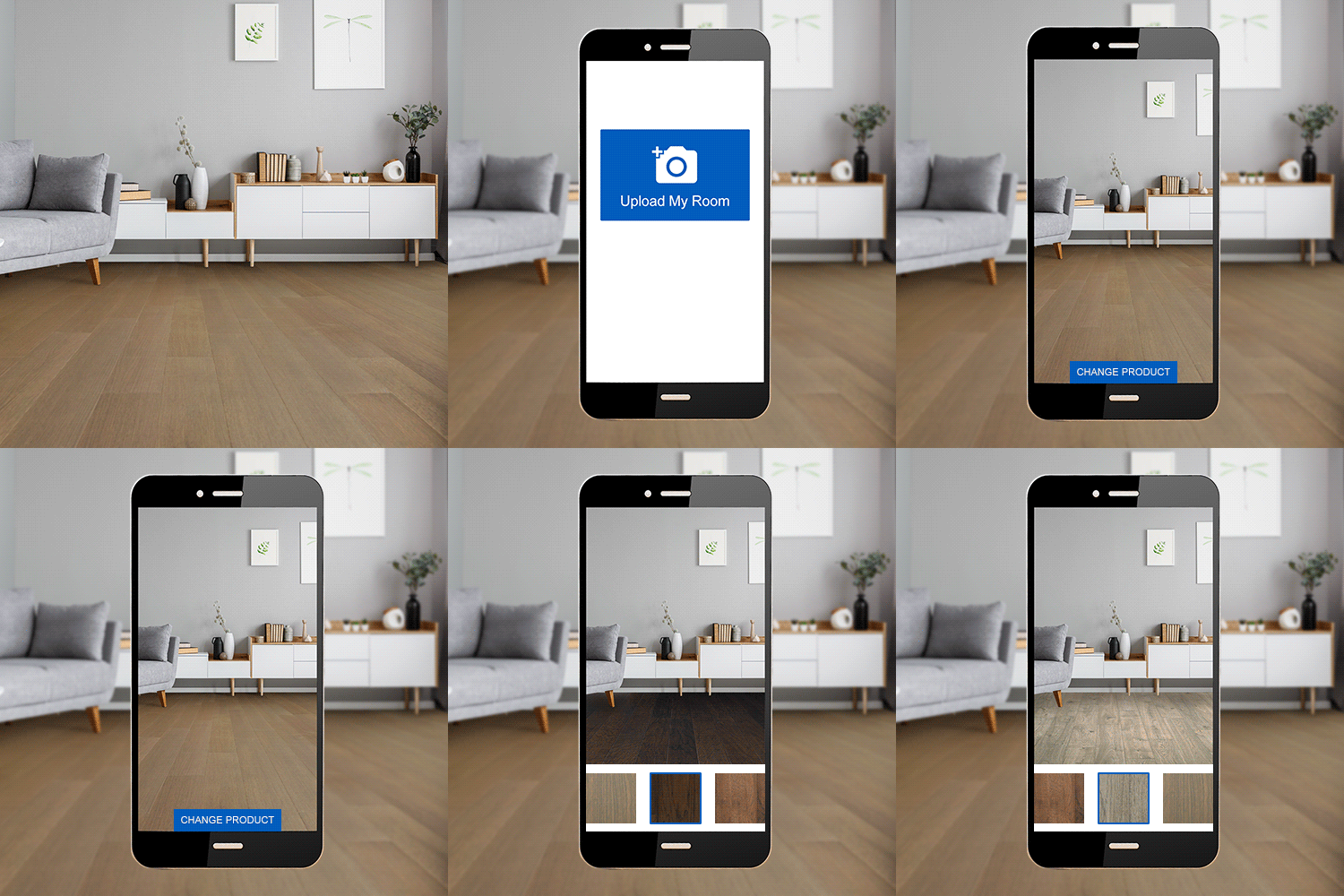
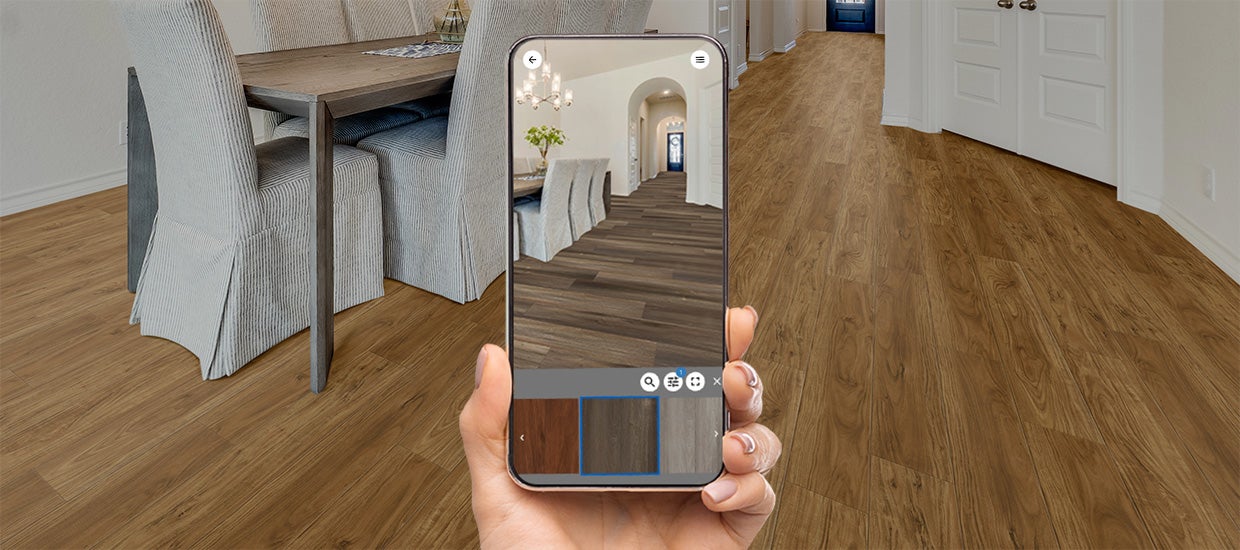
Even with a good plan, it can be tough to picture a new floor in a room full of your own furniture, paint colors, and natural light. That's where the Empire Today® floor designer comes in handy. You can upload a photo of your own room or explore sample rooms, browse by floor color and type, and save or share the looks you like.
Think of it as a first draft. It's a low-pressure way to narrow a long list of options down to a favorite few. Screens vary, though, so treat what you see as inspiration rather than a perfect match. Samples in your own home, under your own lighting, are still the best way to make the final call.
How Flooring Should Complement Your Home's Style
Good interior floor design feels like it belongs to the house it's in. In a traditional home, hardwood, stone-look tile, or a warm-toned wood floor can create a timeless base for everything else. In a more modern space, wide planks, large-format tile, or pale neutral finishes tend to keep things feeling clean and calm.
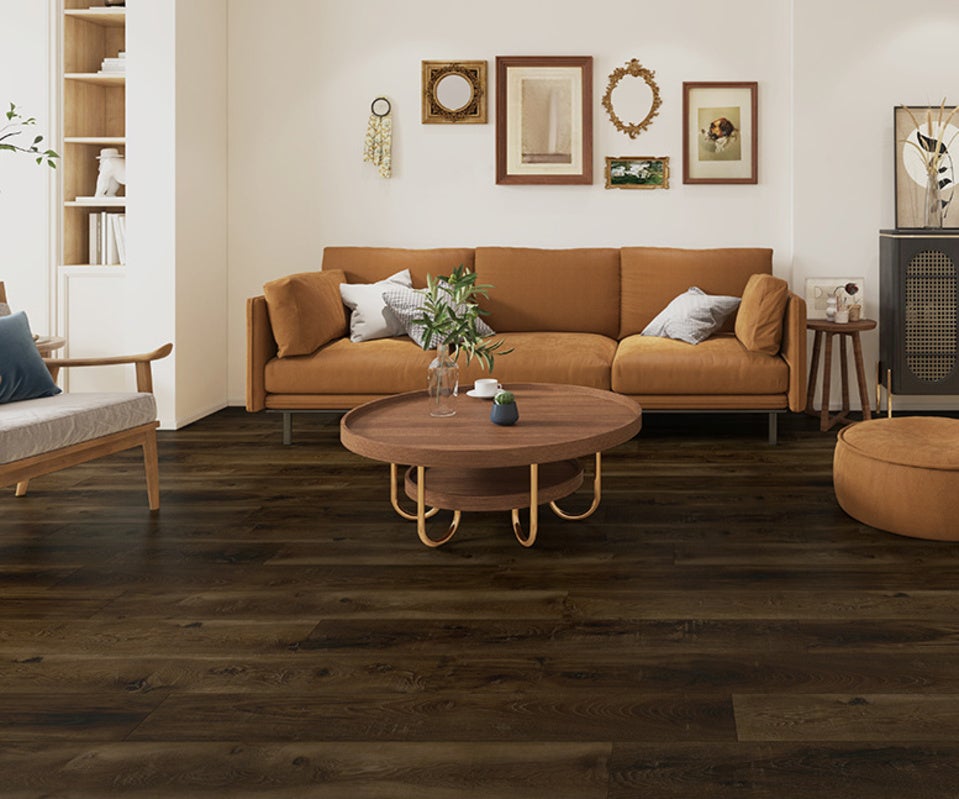
Color does a lot of quiet work here. Light colored floors can make small rooms feel more open, while deeper tones add drama and contrast. Mid-tone flooring is often the most forgiving choice, since it's less likely to show everyday dust than very dark or very pale surfaces, and it plays well with a wide range of furniture finishes.
Texture matters just as much as color. Smooth floors feel refined and minimal, while a hand-scraped wood look or patterned tile brings in character and warmth. If your furniture and walls already have a lot going on visually, a quieter floor can help keep the room from feeling overloaded. If a room feels a little flat, patterned tile can add personality without taking over.
A quick note on inspiration versus selection: ideas like natural stone, polished-concrete looks, woven looks, contrasting borders, and herringbone layouts are great for sparking a design direction. What's available to you depends on the selection Empire® carries, so a flooring professional can show you which options are available in real samples.
Using Flooring to Guide Room Layout and Flow
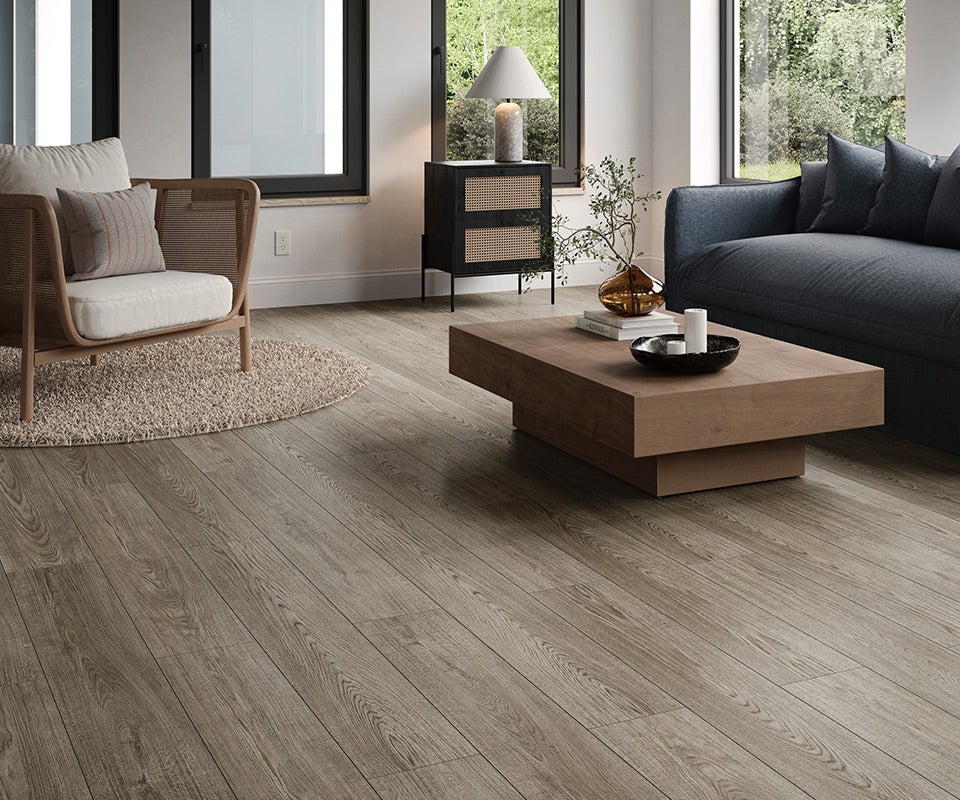
Flooring can do more than sit underfoot. It can guide the eye, define where one activity ends and another begins, and create a sense of continuity between rooms that share sightlines. In open-plan homes, one consistent floor across the kitchen, dining, and living areas can make the whole footprint feel larger and calmer. That's a visual preference, of course, and it depends on whether the product suits every room it would run through. In separate rooms, coordinated but distinct materials let each space feel purposeful while still belonging to the same home.
It can help to think about your layout from above, almost like a floor plan sketch, before you commit to materials. That bird's-eye view makes it easier to see how people actually move through the house, where furniture will land, and where a flooring transition might make visual sense rather than an awkward one.
A kitchen and adjoining dining area, for example, often benefit from the same durable floor to keep an entertaining space feeling seamless. A living room just beyond might use that same material with a large area rug layered in to soften the seating zone. Area rugs are a decorating choice you'd shop for separately, but they're a simple way to keep the design cohesive while still giving each area its own identity.
Transitions deserve as much attention as the flooring itself. Abrupt shifts in color, height, or pattern can make a home feel disjointed room to room. When different materials are necessary, choose tones that relate to one another, and consider a natural break, like a doorway or a change in ceiling height, as a starting point. Treat that as a design suggestion: where a transition actually goes also depends on installation requirements and differences in floor height.
Popular Flooring Materials and Where They Work Best
Every flooring material comes with its own strengths, limitations, and visual personality. The right one depends on the room, your design goals, and how much wear the surface will realistically take on. It's worth comparing options by real-life performance rather than looks alone.
Carpet
Carpet remains a go-to for bedrooms, family rooms, and any space where softness and sound absorption matter. It brings warmth and a relaxed feel underfoot, and a neutral shade lets furniture, bedding, and window treatments take the visual lead. If you'd rather not commit to wall-to-wall, an area rug over hard flooring can provide some of that same comfort while keeping the room flexible.
Hardwood
Hardwood brings warmth, depth, and natural variation that's hard to fake. It suits living rooms, dining rooms, bedrooms, and hallways in homes where moisture is under control, and it creates a strong visual thread when it runs across multiple rooms. It can show scratches over time and generally isn't the best fit for consistently wet spaces, so factor that into your daily routine before choosing it for a busy household.
Tile
Tile earns its keep in kitchens, bathrooms, mudrooms, and entryways because it generally handles moisture and heavy traffic well. Empire carries porcelain, ceramic, wood-look, and stone-look tile, so you can get the look you want in a durable surface. Large-format tile can make a room feel sleek and open, while smaller or patterned tile adds detail and charm. Some stone-look flooring alternatives can offer simpler maintenance than natural stone, depending on the product. Tile can feel cool underfoot, which is a plus in warm climates but less welcome in colder ones, so rugs or runners can help balance the comfort factor. For more ideas on working tile into a design, the Tile Floor Ideas for the Amateur Interior Designer (or New Homeowner) post is worth a look.
Vinyl and Laminate
Vinyl and laminate have become popular because they can deliver attractive wood-look flooring or stone-look finishes with practical, day-to-day durability. Moisture performance varies by product, and laminate comes in both water-resistant and waterproof⁂ options, so check the specific product, its installation requirements, and the conditions in your space before choosing it for a kitchen, basement, or playroom. These materials can be a solid fit when budget, comfort, and durability all need to work together, and professional installation plays a role in how well they perform over time.
Choosing Flooring for the Way You Live
Beautiful flooring only earns its keep if it fits the people actually living on it. A glossy dark floor might photograph beautifully, but it can show every footprint in a bright, busy household. A delicate natural material might be lovely in a magazine spread, yet frustrating if pets, kids, or a steady stream of guests are part of your everyday reality.
A few lifestyle-based starting points:
- Busy households: Look for durable, easy-clean surfaces in forgiving colors with a bit of texture.
- Pet-friendly homes: Prioritize flooring that offers good traction and is less likely to show scratches or stains.
- Small rooms: Lean on lighter tones, simple patterns, and minimal transitions to help a space feel more open.
- Open layouts: Consider repeating one main flooring material, if it suits every space, and let rugs or furniture placement define separate zones.
- A little design impact: Save bolder pattern for a contained area, like an entryway or a powder room.
Floors with some natural variation in tone or grain tend to be the most practical for daily life, since they help disguise dust, crumbs, and minor wear between cleanings. Highly uniform, glossy surfaces can look striking, but expect a bit more upkeep to keep that finish looking sharp, and check with your manufacturer for approved cleaners.

Making Your Interior Floor Design Feel Intentional
Flooring reads as intentional when it connects with your home's color palette, furniture scale, lighting, and the way rooms flow into one another. Pick a main flooring direction, repeat related tones from room to room, and resist the urge to introduce too many unrelated materials in nearby spaces. A cohesive plan doesn't mean every room has to match exactly, but each choice should feel like part of the same story.
Always compare samples in your actual home before deciding. Set them beside your cabinets, trim, rugs, and upholstery. A floor that looks warm under one kind of lighting can turn yellow in your kitchen, and a sample that reads gray in one spot might look faintly blue next to your sofa.
It can also help to build a small palette before you start shopping in earnest: one dominant floor tone, one or two supporting finishes, and a few accent textures. That framework keeps decisions focused and helps you avoid the common trap of choosing each room's flooring in isolation.
Bringing It All Together
If you're ready to see how these ideas would look in your own home, Empire’s floor designer makes it easy to start. If you live in one of Empire's service areas, you can schedule a FREE in-home estimate, and a flooring professional will bring samples right to your door so you can compare them in your own light, against your own furniture. Call 800-588-2300® or schedule an appointment online, and take a look through the rest of the Inspiration Center while you're at it for more room-by-room ideas.