
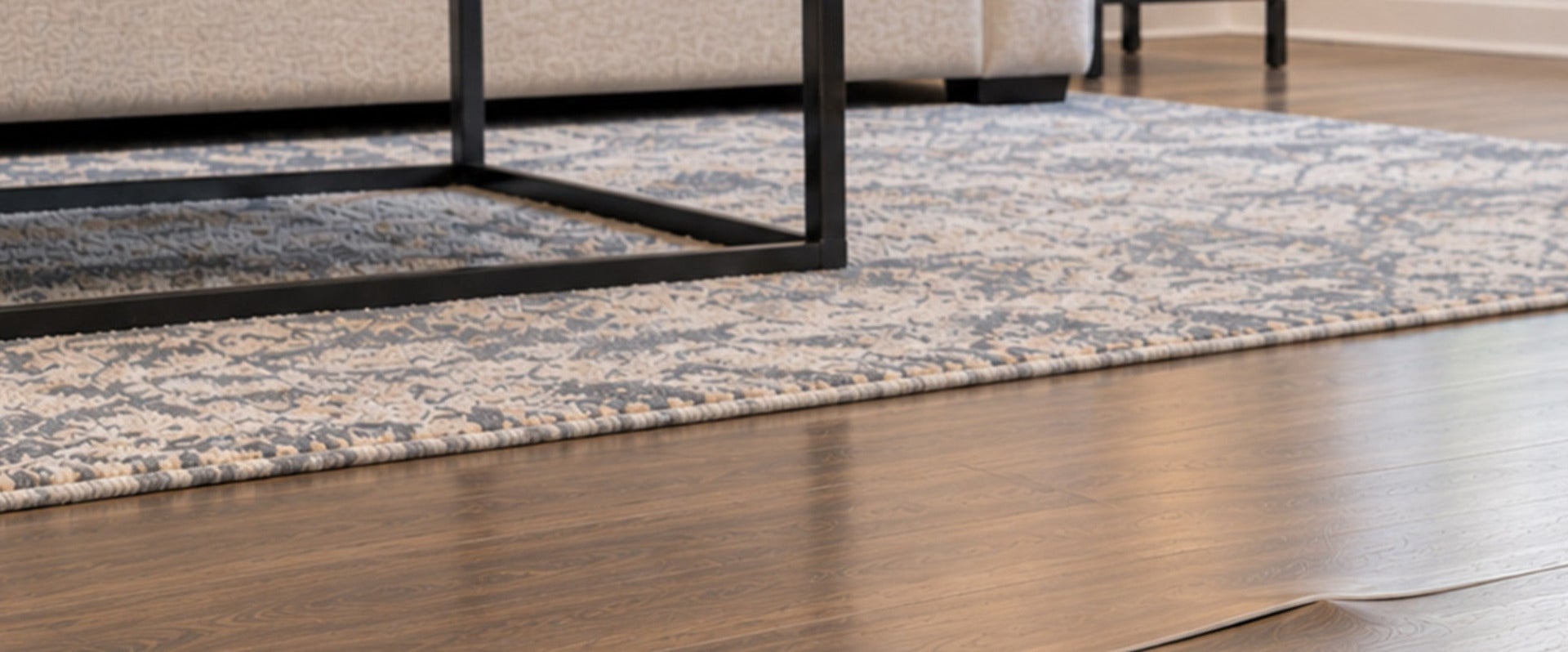
Buckling floors can seem to appear out of nowhere. One day, the living room floor looks normal, and the next day you notice it: a gentle ridge where the flooring used to be flat. Maybe the seams look raised, or a few planks seem to be pulling away from each other. It can be an unsettling sight and probably leaves you wondering whether it will be a quick fix or a major project.
To figure that out, first you’ll have to try to determine why your laminate floor is buckling. Here's what typically causes laminate flooring to buckle, what you can try yourself, and how to tell when it's time to call in a flooring professional.
What Does a Buckling Laminate Floor Look Like?
Buckling refers to when planks lift, warp, or peak, so the entire floor no longer sits perfectly flat. It can show up as a single raised seam or a wave across an entire room.
Here are the signs to watch for:
- Raised or peaked seams: Edges push up where two planks meet, forming a small "tent."
- Gaps between planks: Boards have shifted and pulled apart.
- Cupped or curled edges: Plank edges rise higher than the plank center.
- A spongy or hollow feel: The floor flexes when you step on it or sounds hollow underfoot.
Laminate flooring is built in layers. A fiberboard core sits beneath a photographic image layer and the clear, protective wear layer. The core is the part that can swell or warp, leading to the laminate floor buckling.
Why Is My Laminate Floor Buckling? The Most Common Causes
Buckling usually comes down to moisture, movement, or installation. Knowing which factor, you're dealing with helps you choose the right fix.
Liquid From Spills or Leaks
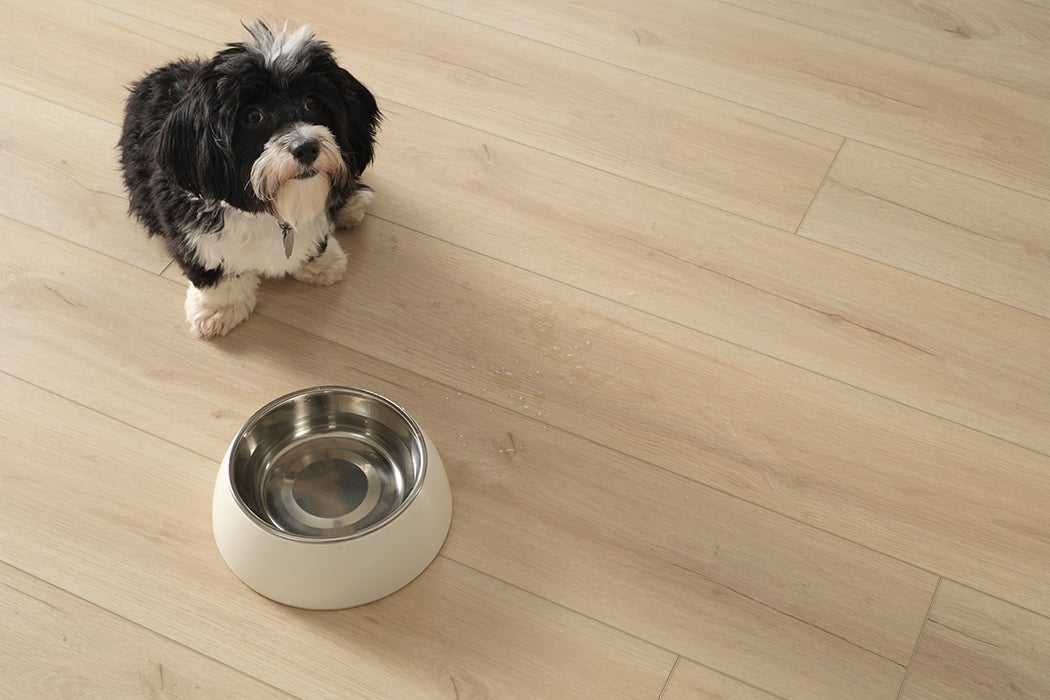
Standing liquid can seep through seams and reach the laminate’s fiberboard core. Maybe it’s a simple as a leaky dishwasher, a pet's water bowl, or dirty boots during a long winter; this water can come from anywhere, and it doesn’t always have to be a significant spill to cause issues. Even a small amount of standing water can cause swelling that often starts at the plank edges. This is why it’s so important to tend to spills and splashes on wood laminate flooring as quickly as possible.
High Humidity
Laminate can react to moisture in the air as well as to liquid spills. In humid seasons or damp climates, the core can slowly absorb moisture. In extremely humid situations, this can cause measurable expansion that can lead to buckling. Basements and homes without good airflow can be especially prone to this.
Moisture Rising from the Subfloor
A subfloor is the structure beneath your flooring, typically made of plywood or concrete. Concrete subfloors can release moisture over time, especially in climates with wide temperature swings. A proper moisture barrier is required to keep that water that vapor from reaching the planks above and potentially damaging them.
No Expansion Gap
Laminate is typically installed as a "floating floor," meaning the planks click together and rest on top of the subfloor rather than being nailed down onto it. Floating floors need a small gap around the room's edges so they can expand and contract with fluctuations in temperature and humidity. If planks are pinned tightly against walls, cabinets, or door frames, they have nowhere to move but upwards, potentially leading to buckling.
Heavy Furniture and Fixed Objects
Large pieces of furniture placed on top of a floating floor can restrict its natural movement. Kitchen islands and built-ins fastened through the floor can do the same.
Uneven Subfloor or Installation Issues
A subfloor with dips or high spots can stress the locking joints between planks. Over time, that stress may show up as lifting or separation. This is one reason many homeowners choose professional installation.
How Do You Fix a Buckling Laminate Floor?
You can often fix mild buckling if you find the cause while the problem is still a minor one. Start by stopping the source of moisture, then give the floor time to settle.
- Find and stop the moisture. Check under sinks, around appliances, and near exterior doors. Wipe up any standing liquid right away, stop the source of the moisture and always follow the manufacturer’s directions when it comes to wet cleaning your laminate floors.
- Lower the humidity. A dehumidifier or improved ventilation can help a damp room gradually dry out and stay that way.
- Let the floor acclimate. Give planks several days or longer to relax once the cause of the buckling is addressed. Mild swelling from humidity can sometimes ease on its own.
- Check the expansion gap. If planks touch the walls, you may need to remove baseboards or trim and carefully create space.
- Release pressure from furniture. Move heavy items and see whether the floor flattens.
- Replace damaged planks. If a few boards stay swollen or warped, swapping those planks may be possible, depending on your product.
Tip: Take photos of the buckled area before you start. They help a flooring professional diagnose the problem faster.
Be cautious with DIY repairs. Pulling up planks in a floating floor can affect nearby boards, and each product's locking system is slightly different.
When Should You Completely Replace Buckled Laminate?
Replace the floor when swelling is widespread; planks stay warped after drying, or moisture keeps returning. Laminate that has swollen a significant amount usually doesn't return to its original shape, because the damaged core is difficult to restore.
Consider replacement if you notice:
- Swelling across large areas rather than one or two seams
- Planks that stay raised after the room has dried out
- Mold or a musty smell
- Soft spots or a crumbling edge
- Repeated buckling after repairs
Water damage can also affect what's below the floor. If you suspect a subfloor problem, it's worth having a flooring professional look at it before new planks go down.

How to Help Prevent Laminate from Buckling
A few habits can help reduce the odds of buckling. None of them are complicated.
- Wipe spills quickly: Use a barely damp mop rather than a soaking one and check with your manufacturer for approved cleaners.
- Manage humidity: Aim for steady indoor conditions year-round.
- Use entry mats: They help catch rain and snow before it reaches your floors.
- Keep expansion gaps clear: Don't let trim or furniture press against the edges.
- Plan for the room: Think carefully about using laminate in spaces with frequent water exposure or opt for waterproof laminate flooring like Everwood™ from Empire Today®.
Choosing Replacement Laminate for Your Home
If you're replacing buckled floors, it helps to match the product to the room. If you love the warmth of the wood but want easier maintenance, laminate gives you that look with a layered construction that is designed for everyday living.
For moisture-prone spaces like bathrooms or basements, you may want to compare other materials. Vinyl and tile can be good alternatives, and a flooring professional can talk through what suits your space. You can also browse laminate and wood-look flooring to compare styles.
Frequently Asked Questions
Can buckled laminate flooring go back to normal?
Sometimes, but usually only if the swelling is mild. If the planks can be dried out quickly and haven't swollen badly, they may settle back down. But once the core has swollen significantly, it usually stays distorted and the floor will need replacement.
How long does it take for laminate to stop buckling after getting wet?
It depends on how much moisture the planks absorbed and how fast the room dries. Mild cases may improve over several days. Heavily soaked planks often don't recover, so it's wise to have them checked.
Can I fix a buckling laminate floor without replacing it?
Yes, for minor cases. Stop the moisture source, lower the humidity, and make sure the floor has an expansion gap. If only a few planks are damaged, replacing those boards may work, depending on your product.
Does humidity alone make laminate buckle?
It can. Laminate expands and contracts with changes in humidity, and a floor without enough expansion space may lift during damp seasons. Steady indoor humidity can help reduce the risk.
Should I replace a buckled laminate floor myself?
Smaller repairs may be manageable, but a full replacement is more complex. Subfloor prep, underlayment, and expansion gaps are all important. Many homeowners prefer professional installation to help ensure the job is done correctly.
Buckling Laminate: The Short Version
Buckling usually points to moisture or a lack of expansion space. Mild cases may improve once you remove the cause, while widespread or repeat swelling usually means it's time for new floors.
If you live in one of Empire's service areas, you can schedule a FREE in-home estimate with Empire Today® and a flooring professional. They'll look at your floors, talk through your options, and help you decide what's next. Empire stands behind the workmanship with a Limited Installation Warranty⊛. You're also welcome to explore more of the Inspiration Center for floor care ideas!