
Few architectural styles capture the imagination quite like the Victorian home, where every gable, window, and detail tells a story from another era. But what is a Victorian home, really?
Victorian houses were born during the reign of Queen Victoria in Great Britain (1837–1901) and quickly spread across the British Empire, the United Kingdom, the United States, and even as far as New Zealand. They weren’t a single style, but rather a collection of architectural styles that flourished during a period of rapid industrial growth and artistic experimentation.
Today, Victorian homes remain some of the most beloved historic homes in real estate, admired for their ornate details, high ceilings, and undeniable character.
The Victorian Era: Setting the Stage
The Victorian period was marked by change; railroads expanded cities, factories produced new building materials, and middle-class families sought homes that reflected their rising status. Out went the restrained Georgian houses, and in came bold designs that celebrated complexity and ornamentation.
Victorian era architecture was anything but uniform. It spanned multiple substyles, each with unique traits but united by a love of intricate architectural detail, layered textures, and dramatic silhouettes.
Key Styles Within Victorian Architecture
If you’ve ever wondered why one Victorian house looks different from the next, it’s because “Victorian” is an umbrella term. Here are the standout substyles you’ll find across the world of Victorian architecture:
Queen Anne Victorian
When you think of a typical Victorian home, chances are it's the Queen Anne style that comes to mind. This highly recognizable architectural style emphasized symmetry and visual drama through the use of turrets, wraparound porches, and decorative trim. Examples of Queen Anne style Victorian homes are plentiful in New York, San Francisco, and other older cities where the iconic "Painted Ladies" can be found.
Gothic Revival
Gothic revival style architecture was inspired by medieval cathedrals and castles, and it shows. Known for pointed arches, steep gabled roofs, and ornate tracery, Gothic revival homes often feel dramatic, even moody.
Second Empire
Second Empire style homes are Instantly recognizable by the mansard roof, a four-sided, double-pitched roof that provides an entire upper story of living space without increasing the overall height of the building. True to their Victorian roots, these homes feature decorative brackets, cresting, and other elaborate design elements including central or corner towers. Second Empire homes tend to be popular in urban areas, especially in real estate markets looking to maximize square footage.
Folk Victorian
This simpler, more affordable Victorian style grew in popularity during the Second Industrial Revolution, starting around 1870. While still containing the ornate decorate elements of the more traditional Victorian homes, folk Victorian style is characterized by simpler floor plans and modest construction characterized by classic decorative trim.
Victorian House Design and Floor Plans
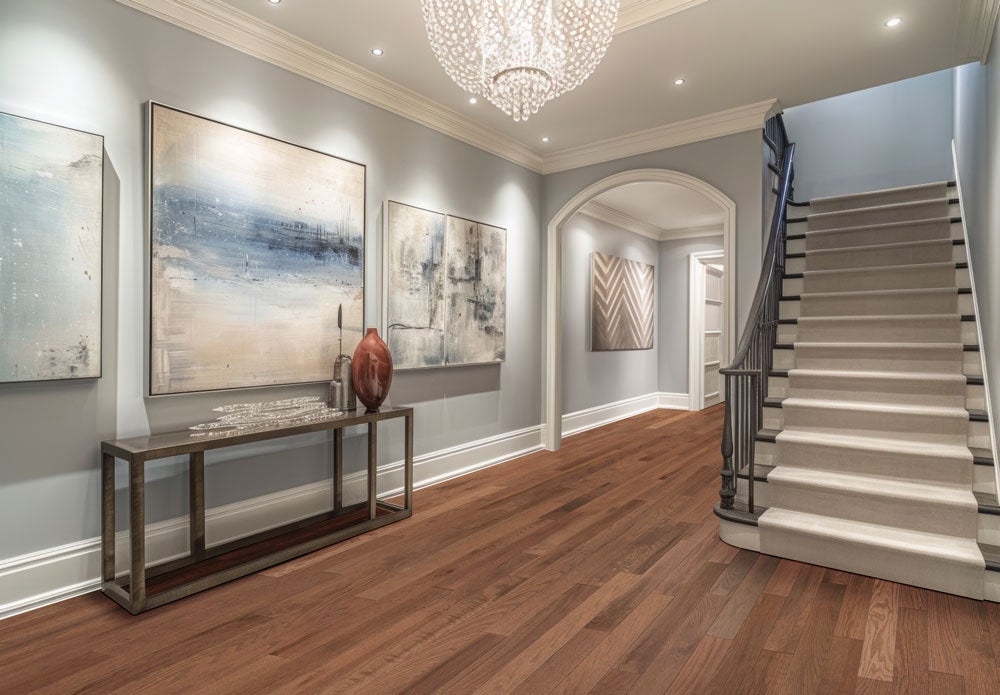
Victorian houses were not just about curb appeal; their floor plans also broke with tradition. Instead of the boxy layouts of Georgian homes, Victorian style homes embraced complexity in the following ways:
Multiple rooms: Parlors, libraries, and dining rooms created separation between activities.
High ceilings: Designed to impress and to keep interiors cool in the summer.
Turrets: Provided cozy alcoves or reading nooks, adding whimsy to the living space.
Staircases: Elaborate, often the centerpiece of the home.
Victorian house plan flexibility: Some designs were sprawling and ornate, while others, like folk Victorians, kept things simple.
Unlike modern open floor plans, Victorian homes favored distinct rooms. Today, many homeowners renovating a Victorian style home choose to preserve the historic home feel while introducing open concept layouts for modern living.
Interior Design in Victorian Homes
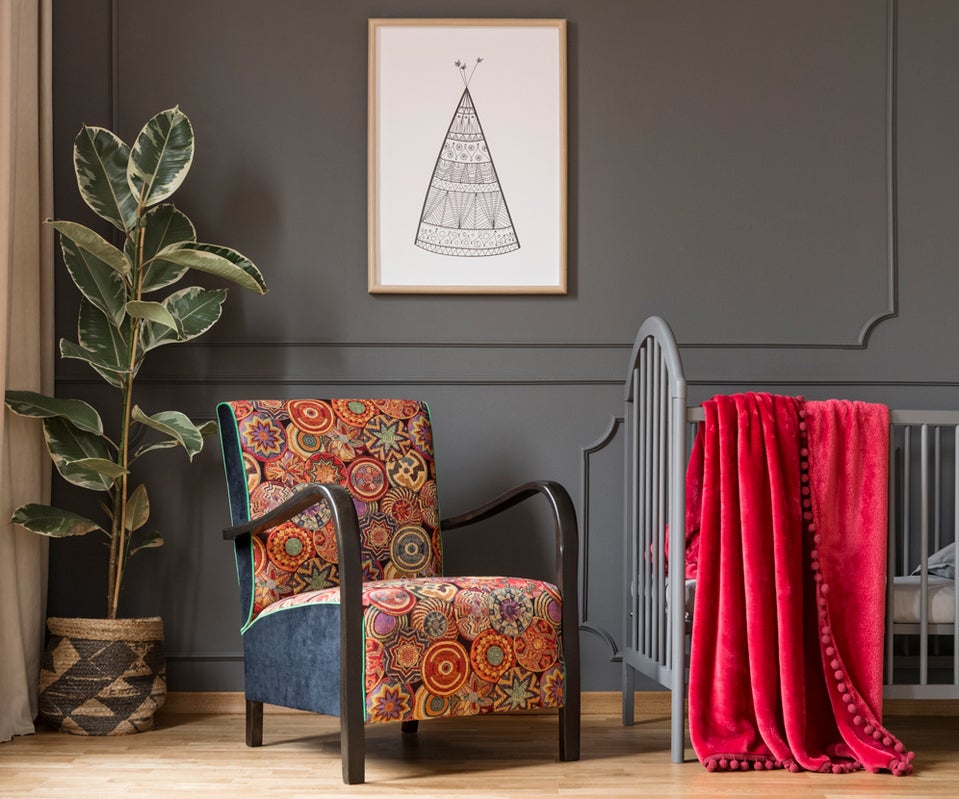
If the exteriors were ornate, Victorian interiors doubled down on drama. Victorian interior design embraced richness and detail, with layers of decor that might overwhelm the minimalist style of today.
Deep reds, greens, and blues dominated walls and fabrics.
- Heavy draperies, velvet upholstery, and patterned wallpapers.
- Chandeliers and sconces, often gaslit originally, added ambiance.
- Furniture: Bulky, carved, and luxurious, reflecting wealth and comfort.
Modern Victorian interior design often simplifies these elements. Instead of wall-to-wall wallpaper, homeowners might highlight one accent wall. High ceilings remain a prized feature, but furnishings are lighter and more streamlined.
Victorian Homes Across the World
Although terraced Victorian houses define neighborhoods in London, Victorian architecture didn’t stay confined to Great Britain. It traveled widely, leaving behind iconic structures throughout the world.
United States - From New York brownstones to San Francisco’s Painted Ladies, Victorian homes became staples of urban real estate.
New Zealand - Settlers built Victorian homes in Wellington and Auckland, many of which still stand.
Australia - The highest concentration of Victorian homes in Australia can be found in select Melbourne suburbs and some areas of Sydney.
Victorian Homes vs. Edwardian Homes
Following the Victorian period, Edwardian homes toned down the ornamentation but retained similar proportions, bridging Victorian architecture into the 20th century. Edwardian homes (early 1900s) essentially simplified the look of the classic Victorian, often going with lighter color palettes and fewer embellishments. Victorian era architecture is generally much more ornate, with turrets, pointed arches, decorative trim and bright colors. Both, however, remain popular among buyers of historic homes.

Restoring and Living in a Victorian Style Home
Owning a Victorian home often comes with the responsibility of preservation. Renovating a Victorian style house requires balancing historic integrity with modern living needs. Most renovators elect to keep high ceilings and architectural detail while introducing modern lighting and energy-efficient systems. Some homeowners maintain the compartmentalized Victorian design, while others open up the dining room and living room for an open layout feel. Repairing gothic revival trim or repainting a Queen Anne house might can be an extra challenge, but it's worth it for homeowners who want to truly restore that original Victorian charm.
Whether you’re living in a turreted Queen Anne or a modest folk Victorian, the flooring you choose can make all the difference. Schedule a free in-home estimate with Empire Today to learn how you can make the most out of your