
Step onto a quiet street on the East Coast, and you’ll likely spot one: a simple, charming house with a steep roof, shingle siding, and a central front door. That’s the hallmark of a Cape Cod home, one of America’s most enduring architectural treasures. But if you’ve ever wondered, “What is a Cape Cod home, exactly?” you’re in the right place. This style has roots that stretch back centuries, yet it still feels fresh and inviting today.
In this guide, our team will walk you through the history, the defining features, and even modern takes on the Cape Cod style, showing you why it continues to capture hearts in real estate markets today.
The Origins: Early Settlers and Practical Design
The Cape Cod house first appeared in the 17th century, built by early settlers in Massachusetts. Inspired by modest English cottages, these homes were designed to withstand harsh New England winters. Their steep roofs allowed snow to slide right off, while the large central chimneys provided efficient heat for the entire home.
These practical structures were typically just a “single Cape”, one main room flanked by smaller spaces, with low ceilings to conserve warmth. Later, settlers expanded their houses into “half capes, three-quarter capes, and even double capes,” depending on the needs of growing families. What started as survival-based housing soon evolved into an architectural style admired for its simplicity, functionality, and symmetry.
Classic Exterior Features of a Cape Cod
When you picture a classic Cape Cod, several exterior features probably come to mind. Here are the must-haves:
Symmetrical facade: The hallmark of Cape Cod architecture. Two windows on either side of a central front door, evenly spaced.
Steep gabled roof: Perfect for shedding snow and rain.
Shingle siding or wood shingle: Weathered gray shingles are iconic, though painted clapboard is also common.
Large central chimney: Essential for warmth in the original homes.
Dormer windows: A later addition that brought light and space into upper floors.
Garage door upgrades: In modern versions, garages are seamlessly integrated while keeping the classic look intact.
Inside a Cape Cod Home: Cozy and Functional
Step through the door, and you’ll find that a Cape Cod interior carries the same balance of charm and function as the outside. Expect a living room centered around a fireplace, compact rooms designed for efficiency, and kitchen cabinets that maximize every inch of space.
Traditionally, ceilings were kept low, both to conserve heat and materials. While low ceilings are less common in today’s builds, many homeowners still embrace the coziness they provide.
Design-wise, you’ll often find:
Shingle siding details carried inside for a coastal touch.
A palette of soft whites and blues.
Artisanal textiles.
A straightforward layout, often inspired by a Cape Cod house plan that prioritizes simplicity.
Cape Cod Revival and the 20th Century Boom
While the earliest versions were all about practicality, the Cape Cod revival of the 20th century turned the style into a suburban favorite. Architects reimagined the Cape Cod style house for modern living while preserving its historic charm.
During this time, the modern Cape Cod was born: a blend of tradition and innovation. Homeowners got more space, more windows, and yes, more comfort. Think of it as the bridge between the traditional Cape Cod home and the modern farmhouse that’s so beloved today.
Types of Cape Cod Homes
Not all Cape Cod houses are alike. Here’s a quick look at the variations:
Single Cape: One main room with a fireplace at the center.
Half Cape: A main room with one wing on the side.
Three-Quarter Cape: A larger wing on one side, plus smaller extensions.
Double Cape: Symmetrical on both sides of the chimney, offering more balance and space.
These variations often depended on family size and resources. Today, they’re a helpful guide for anyone studying Cape Cod house plans in real estate.
Modern Cape Cod Living
Fast-forward to today, and you’ll find modern Cape Cod everywhere — not just on the East Coast, but even in all corners of the world. While the DNA of the Cape house remains the same, modern upgrades make these homes fit today’s lifestyle.
Expect:
Open layouts rather than compartmentalized rooms.
Larger windows for natural light.
Sleek but classic garage doors that blend with the symmetrical aesthetic.
Even with these upgrades, the heart of the design, symmetry, coziness, and timeless appeal, never goes away.
Why Cape Cods Are Beloved in Real Estate
These homes are hot commodities in the real estate world. Buyers are drawn to their timeless look, flexible layouts, and approachable size.
They’re also versatile. A Cape Cod style home can lean coastal, rustic, or even contemporary with the right finishes. Add wide-plank hardwood floors, stylish kitchen cabinets, or natural shingle siding, and you’ve got a house that feels both historic and modern.
Cape Cod vs. Other Styles
While the Cape Cod style is unique, it’s often compared to other beloved American home designs. For instance:
Dutch Colonial: Known for its gambrel roof, unlike the steep roof of a Cape.
Modern Farmhouse: Shares a love of simplicity but with more expansive porches and open layouts.
Each style has its charm, but few are as widely adaptable as the Cape Cod cottage.
Flooring: The Foundation of Classic Cape Cod Charm
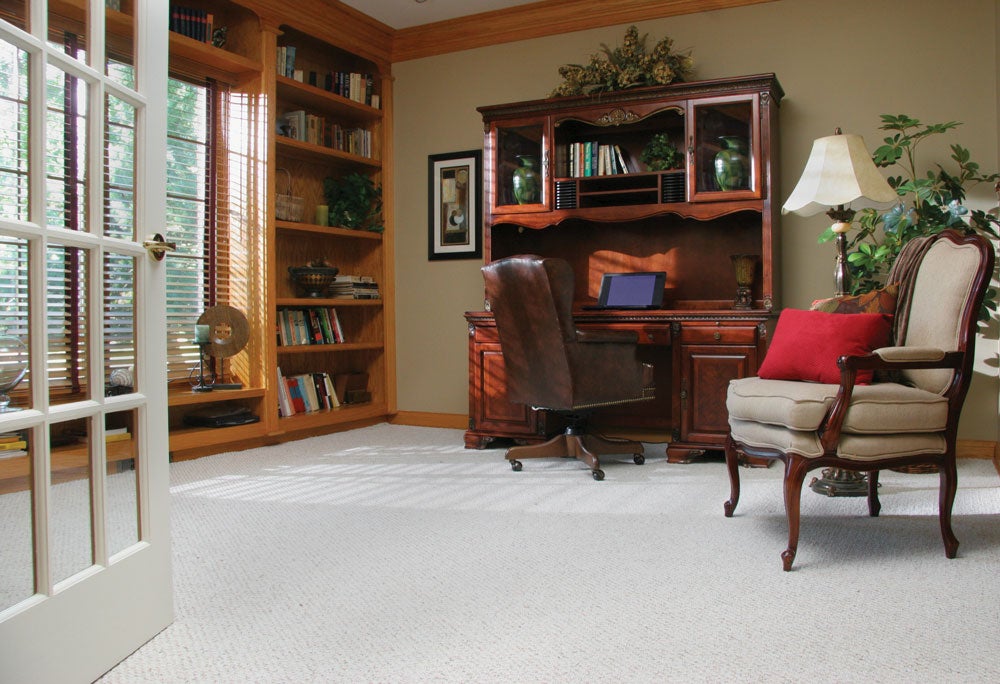
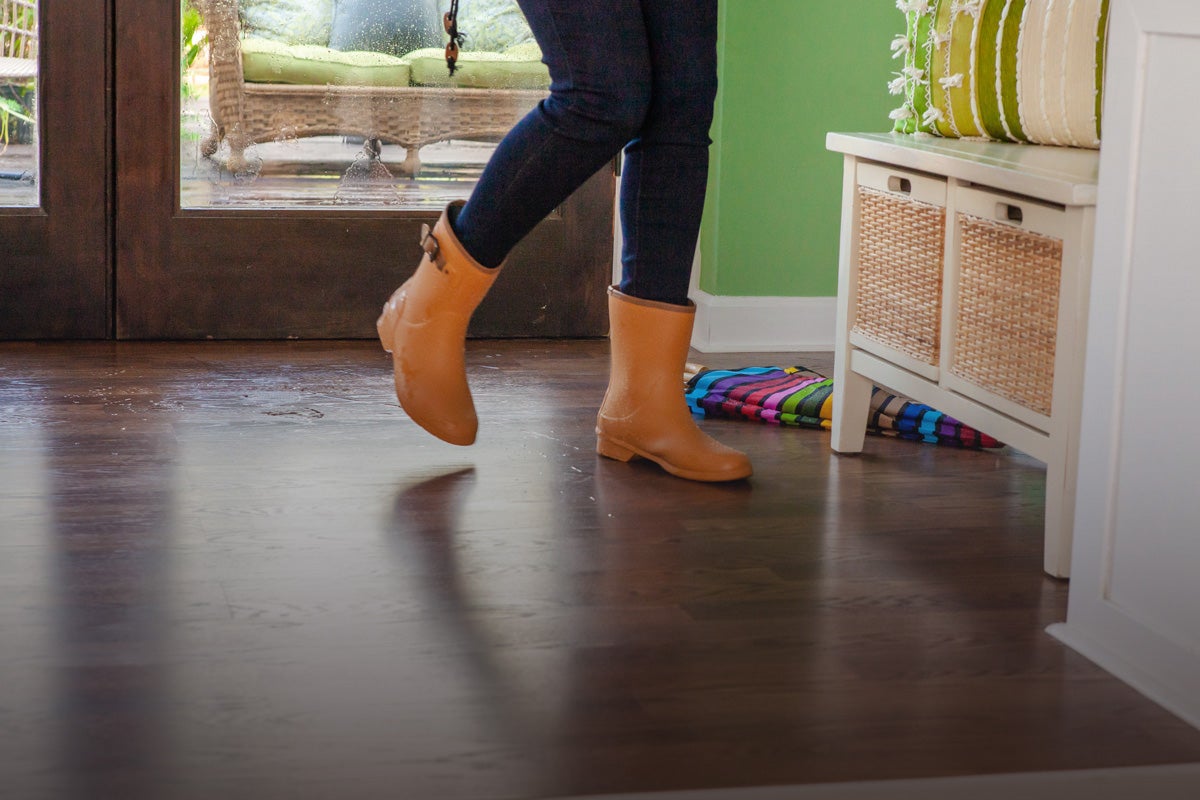
No matter which version of a Cape Cod home you fall in love with, the right flooring ties everything together. Wide-plank hardwood in warm tones creates that coastal feel, while waterproof vinyl is a practical choice for homes near the beach. Tile can be perfect for mudrooms where sandy shoes come in, and soft carpet makes living rooms feel extra cozy.
At Empire Today, homeowners can explore flooring options that balance style and durability, a must for any Cape Cod style house that sees family gatherings, pets, or the occasional salty breeze blowing through the windows.
Bringing It All Together
So, what is a Cape Cod home? It’s a story of resilience and timeless design. Born from necessity by early settlers, refined through centuries of Cape Cod revival, and reimagined for today’s lifestyles, the Cape Cod architecture continues to embody both function and charm.
From shingle siding to a central chimney, from low ceilings to modern Cape Cod interiors, this architectural style remains as relevant as ever. Whether you’re on the East Coast, eyeing a property in real estate, or simply inspired by the look for your own remodel, the Cape Cod house offers a blueprint for cozy, classic living.
And as with any home, the right flooring is the foundation that makes it all work. With Empire Today®, you can capture the spirit of coastal living underfoot, durable, stylish, and tailored to your version of a classic Cape Cod dream.