Craftsman style homes are among the most recognizable houses across America. They feature inviting porches, attractive and sturdy woodwork, and thoughtful design which represents an era that focused more on quality craftsmanship than mass production.
The core idea of these homes, in the modern era, is to continue balancing beauty and practicality in home design. Craftsman style homes were traditionally built using natural materials and careful proportions to emphasize a connection with the outdoors. All of these details together tell a story of a design movement that still endures today, and understanding it can help you as a homeowner gain appreciation for the home you live in.
The Origins of Craftsman Style Homes
The Craftsman style first appeared in the early 1900s and was born out of the Arts and Crafts movement that started in England in the previous century. The movement was a reaction to the ornate designs and detail work from the Victorian era, with a focus on hand-built work and natural materials. This design philosophy quickly found fertile ground throughout the United States.
The Craftsman home movement represented a shift in how people thought about domestic architecture. They realized their homes could be comfortable and fully functional while still maintaining a connection to their surroundings. We can still see this philosophy embraced in today’s designs, especially in neighborhoods where Craftsman bungalows and four-square homes are central in the landscape.
Key Architectural Features of Craftsman Homes
So, what are Craftsman style homes exactly? They’re designed specifically to highlight the structure, proportions, and unique character of the natural materials they’re made from. Their exteriors feature low-gabled roofs and wide overhanging eaves. You’ll easily spot exposed rafters and decorative brackets that draw the eye upward. They usually have wide porches with thick, tapered columns. They’re usually constructed from a combination of wood, stone, and brick.
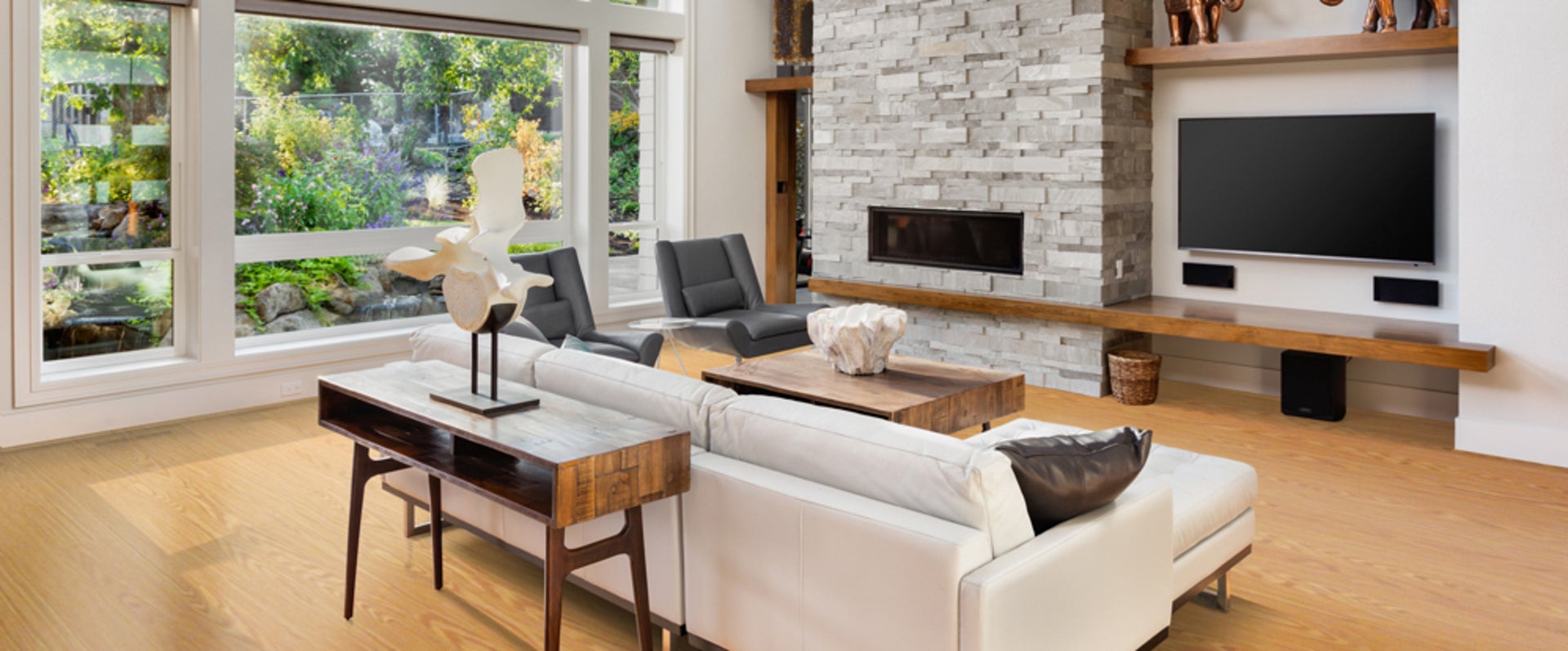
The interior design matches the spirit of the exterior. Floor plans tend to be more open and centered around comfortable living areas, often with large fireplaces finished with stone or handmade tiles. They have built-in cabinets, benches, and shelving to keep spaces as practical as possible while still feeling charming. You’ll find woodwork around doorways and windows, as well as wainscoting and ceiling beams to add depth and warmth. Windows are generously-sized to fill rooms with natural light, which further strengthens the connection between life inside and the Great Outdoors.
Flooring in Craftsman Style Homes
Most flooring for Craftsman style homes is made from hardwood options like oak, maple, or Douglas fir. The planks are often finished in dark stains that reveal the wood grain rather than hiding it, as designers wanted to emphasize highly visible natural textures on every surface. The floors were never meant to be flashy, instead they were designed to age gracefully and gain character over decades of use.
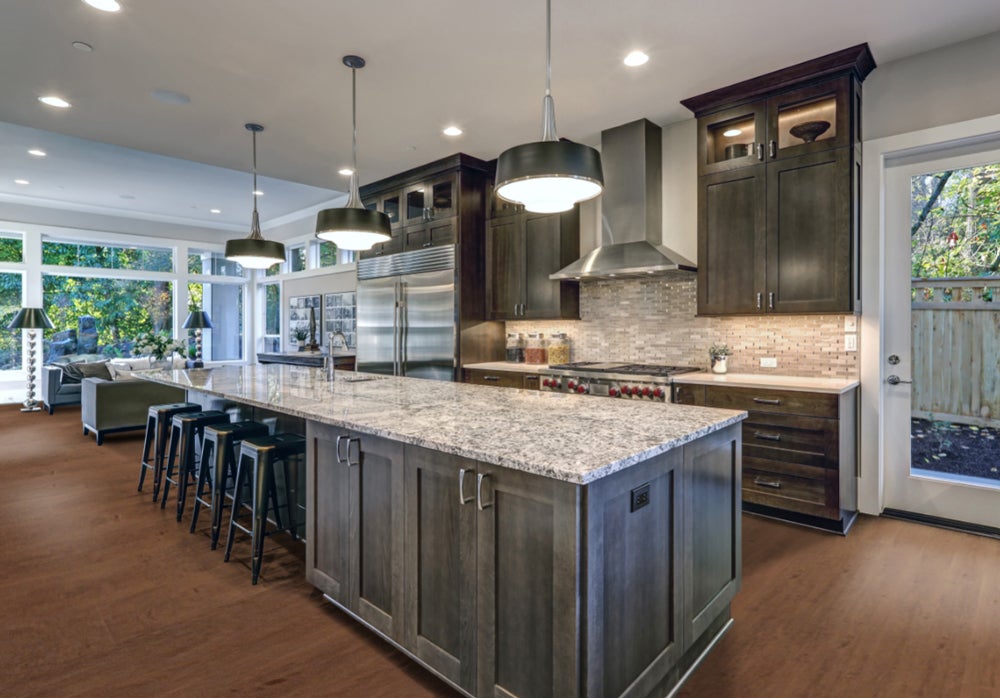
If you live in a Craftsman today and want to restore or update it, hardwood is still the gold standard. Wide-plank oak or maple can echo the authenticity of the original period, while engineered wood brings the same warmth with added durability. In spaces like kitchens, some homeowners will opt for luxury vinyl plank (LVP) or wood-look porcelain tile. These materials resist moisture and wear but still align well with the core philosophy of Craftsman style homes.
Make sure to stay true to the natural, grounded feel of the style. Choose warm tones, matte finishes, and visible wood grain to maintain authenticity.
Types of Craftsman Homes
Craftsman style homes share a set of defining features, but they appear in several distinct forms. These reflect the same core design philosophy but adapt it to different needs and regions:
Bungalow Craftsman
This is the most common type of Craftsman home, a smaller structure that’s typically one or one-and-a-half stories tall. Bungalows were designed to be affordable, efficient, and welcoming. That’s why they were so popular in early suburban neighborhoods. They’re compact without sacrificing character and usually feature deep porches and carefully detailed interiors.
Four-Square Craftsman
Much larger and more formal, this variation is usually two stories tall with a square footprint. They’re highly symmetrical and focused on practicality, with four rooms on each floor and a strong central staircase. These Craftsman homes often include more elaborate interior woodwork and built-in features along with the classic broad front porch.
California or Mission Craftsman
Found mostly on the West Coast, this Craftsman variation merges the traditional look with Spanish and Mission-style influences. You’ll find stucco walls, clay tile roofs, and wide verandas that incorporate Mediterranean details with the familiar exposed beams and woodwork. Tile flooring is more popular here in kitchens and courtyards, which complements the hardwood in the main living areas.
Why Craftsman Homes are Still Popular Today
There are quite a few good reasons why Craftsman style homes have endured for more than a century. They’re built with human comfort and needs in mind, being neither too ornate nor too plain. Their use of real materials like wood and stone brings warmth that many modern designs simply fail to match. Homeowners love the built-in features that maximize space while reducing clutter, which makes the homes far more charming than any minimalist design could achieve.
They’re also incredibly adaptable to change. Many Craftsman homes have been updated with modern conveniences like open kitchens, energy-efficient windows, and upgraded flooring, without losing their character. Hardwood floors remain the signature choice, but homeowners can add engineered wood, vinyl plank, and even bamboo to maintain the look while accommodating a more modern lifestyle.
If you’re a homeowner with a family, you’ll love the comfort and durability of a Craftsman. If you’re a design enthusiast, you’ll appreciate the authenticity and timeless charm.
Somehow, Craftsman style homes manage to feel just as relevant and, well, homey as they did a hundred years ago. After all, what are Craftsman style homes but a celebration of human ingenuity, natural materials, and a desire to create a place where anyone would be happy to live?
Want to learn more about different architectural styles, home trends, flooring materials, and more? Explore our blog for inspiration, design tips, and expert advice. If you're ready to update your home and live in one of our service areas, schedule your FREE in-home estimate with Empire Today® and bring your vision to life. Empire serves customers across most major U.S. metro areas.