Choosing a new flooring style can be one of the toughest decisions in any major home renovation project, requiring a careful, often complex balance of style, comfort, and functionality goals. At some point during your renovation journey, you’ll probably find yourself agonizing over whether one specific shade of flooring better matches your existing design scheme or worrying that a particular product might need too much upkeep over its useful life. New tile floors add an extra layer to the typical flooring upgrade, because you’ll also need to choose a grout color in addition to the specific tile style.
Choosing a grout color for tile can add an unexpected hitch to your project, tile floors are long-term upgrades, and you’ll want to be confident you choose both a tile and grout that you’ll be happy with for the long haul. While choosing a grout color can be a simple process (just opt for a typical white or gray grout) it can also be a challenge, as it will play a role in both the look and performance of your tile floors.
A Small Detail That Can Add Big Style
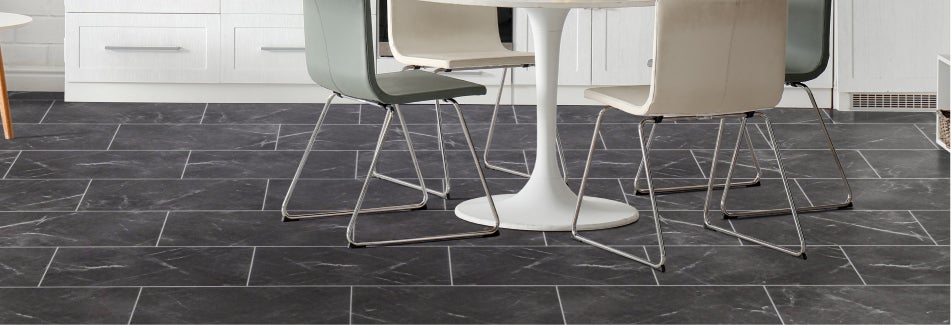
The most obvious effect of any particular grout color is its impact on the room's overall appearance. While grout lines are often an afterthought in design, playing with the color of tile grout can drastically affect the final appearance of a tiled floor. Imagine, for instance, a kitchen with light-colored tile floors. Most traditional design schemes would call for light-colored grout, likely white or light gray. This combo creates a balanced, uniform look across the space, the look you’d typically expect from a tile floor.
But there’s no rule that says you have to choose a grout color that matches your tile's tone. Opting for a contrasting grout color will transform that same light tile floor into a personalized style statement. Dark gray or black grout can turn a plain white tile floor into a modern masterpiece, enhancing an elegant living room with a bit of boldness.
And of course, the inverse applies to dark colors. Black tiles might typically get finished with dark grout, but a vibrant white grout with dark tile is an excellent way to add an attention-grabbing design element to your space.
Or consider getting creative with colors to add a whimsical pop of personality to an otherwise traditional choice. Simple white subway tiles will take on a new life with colored grout. Want to go even bolder? Maximalism has been making a return in home design in recent years, and taking a bright-colored tile, like fire-engine red for instance, and finishing it with blue or purple grout will create a stunning, one-of-a-kind design that will set your technicolor heart aflutter.
Plus, colored grout offers an opportunity to further tie together various design elements in your home by coordinating it with accent walls, cabinets, or other prominent colors in your design. Grout is often an afterthought in flooring projects, but in each of these examples, it becomes a key element of your home’s overall aesthetic.
Keeping Light-Colored Grout Clean
While choosing a grout color is mostly a stylistic matter, it’s also a practical one, especially in busy homes. As with any other surface in your home, the lighter the grout shade, the more effort and attention it will take to keep it looking its best. Although the glazed surfaces of porcelain and ceramic tiles are highly resistant to stains, grout is naturally porous, making it more susceptible to staining than the tiles it surrounds.
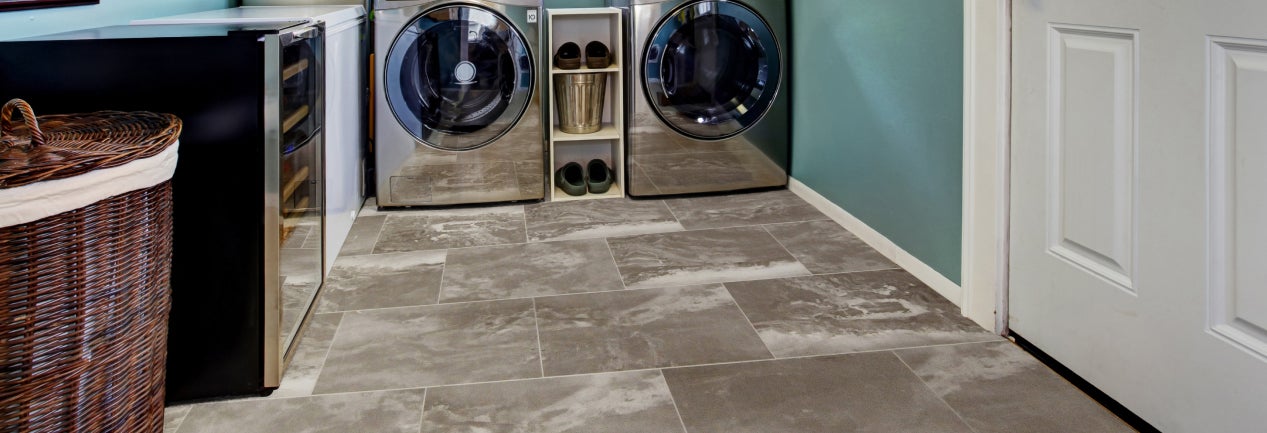
So, while a day-old juice spill or muddy footprint might wipe off your kitchen tiles easily, there is a good chance it can seep into the grout, leaving an unsightly stain that's difficult to remove. Because of this, a bright white grout may not be the best choice for the high-traffic rooms in your home. Opting for an off-white or gray grout will make your maintenance much easier without drastically altering the look of your floors.
One of the best ways to help keep your grout from permanently staining and to make regular cleaning a little easier is to ensure it’s always properly sealed. Grout sealant adds a protective layer to your grout, reducing its porosity and helping prevent stains. But the sealant wears away over time and needs to be periodically reapplied. Most tile and grout manufacturers recommend resealing your grout every year, especially in high-traffic or high-moisture rooms like the bathroom and kitchen.
In the end, choosing a grout color for your tile floors is about both form and function. Most homeowners will be driven primarily by how grout affects the look of a particular room, but it’s also important to consider how much traffic, moisture, and other messes the floor will experience and how well certain grout colors will withstand that activity. And if you’re still struggling to decide on a grout color, Empire® flooring experts are here to help you with your decision.