


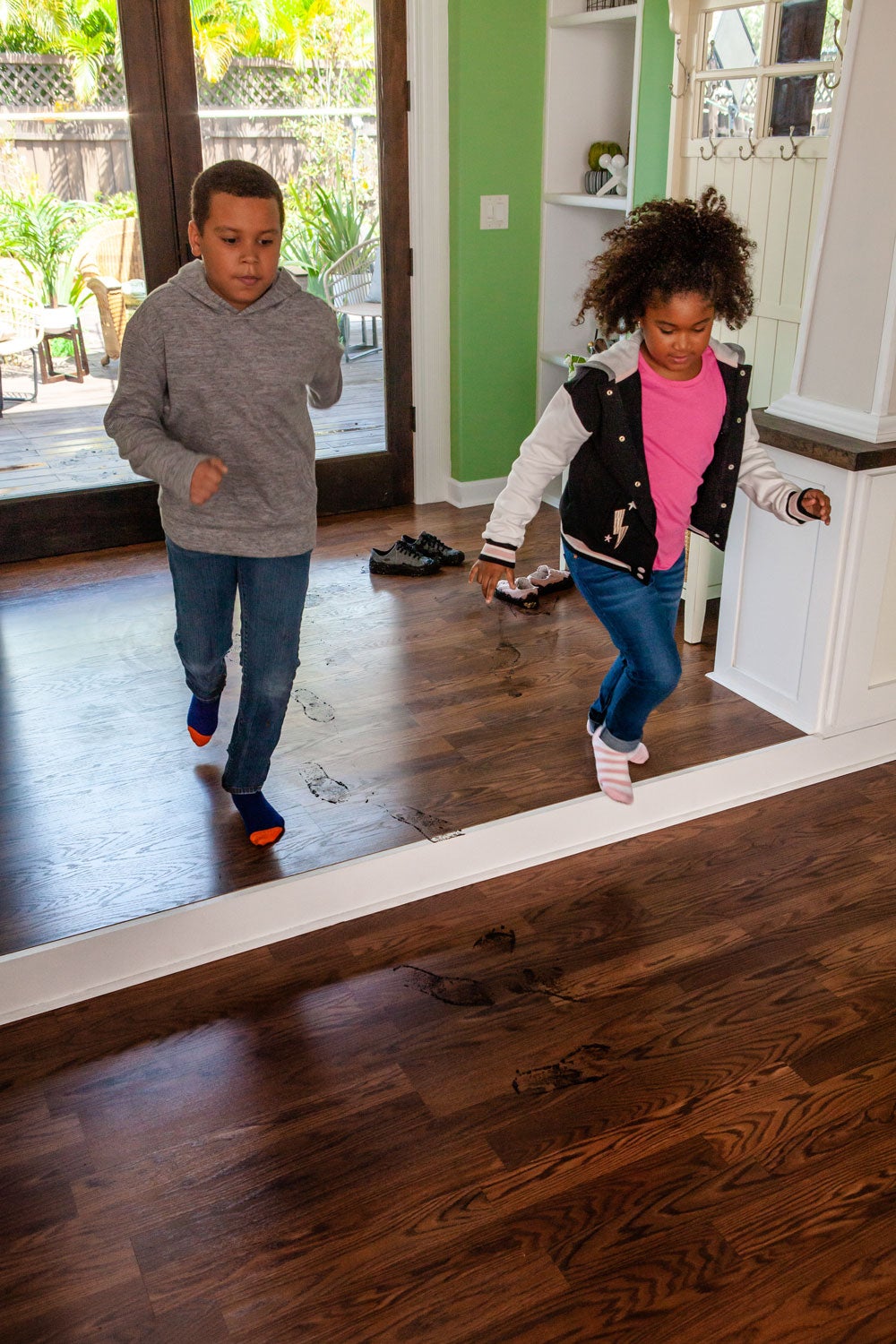
Winter does an impressive job of making all the surfaces in your home that much riskier. One minute, you’re walking across your kitchen with your morning coffee – the next, you’re flailing your arms out trying to catch yourself before you hit the floor hard.
Condensation, snow, and flush find their way inside and create hidden hazards. And these don’t always present as obvious puddles. Moisture has a way of lingering on surfaces far longer than you might expect. Tile, polished wood, vinyl – almost any surface can turn treacherous when wet.
The good news here is that you don’t have to accept slippery floors as another part of the winter season. With some simple preventative tweaks, you can keep your floor (and your bones) intact.
Choosing Safer Surfaces
Many flooring materials provide better underfoot grip than others. But unless you’re in the market for a flooring upgrade, you’re likely working with what you’ve got. And that’s okay – it’s totally possible to make even slick surfaces safer.
With hardwood, tile, laminate, and vinyl floors, consider anti-slip treatments or coatings if they fall within your manufacturer’s guidelines. These can add extra traction to prevent slips and falls during winter without ruining their look.
And if you are considering new flooring and want to prioritize safety, consider these options:
- Textured vinyl or luxury vinyl plank give exceptional durability, water resistance, and a much safer surface thanks to their built-in grippy texture.
- Matte-finished ceramic or porcelain tile can provide plenty of extra traction. This is especially true when paired with the right grout mix.
- Cork and rubber flooring are intended for specific areas of your home, likely those that you expect to deal with a lot of moisture/debris to begin with.
If you want to learn more about your flooring upgrades, you’re already in the right place. Schedule a FREE in-home flooring estimate with the team at Empire® and we’ll get started ASAP. We’ll help you find flooring enhancements for your home that prioritize slip and fall prevention!
Entryways are Your First Line of Defense
Winter makes a grand entrance through your front door. It comes in riding boots, coats, and anything else that drags in or catches snow and moisture. The best way to avoid spending all season wiping up puddles is to create an entryway system that stops mess before it spreads.
- Doormats: Keep a coarse and bristled mat outside to knock off snow. Then, place an absorbent one inside to catch any lingering moisture.
- Boot trays: Contain those wet shoes in one place rather than letting them drip across your floor.
- Convenient mops or towels: No matter how solid your setup, moisture might still sneak through. With a handy mop or towel nearby your entrance, you can perform a quick wipe-up to prevent its spread.
Rugs and Runners
Hard floors and wet socks can lead directly to slips and falls in winter. We’ve talked about them plenty in previous blogs, but we can’t overstate the importance of rugs and runners.
They add warmth, absorb moisture, and even add extra traction – as long as they have non-slip pads beneath them. You can also apply double-sided carpet tape to them to keep them secure in high-traffic areas.
One note here: not all rugs will work for these purposes. Don’t go for super thin, slick-backed rugs that easily bunch up or slide around. Your rugs should stay put where you need them, never sliding around or folding up.
Simple Habits to Keep Floors Dry
Any melted snow, light condensation, or an overlooked spill can turn your floor into a hazardous slip zone. If you want to prevent indoor falls, you’ll need some simple strategies and constant vigilance.
- Create a “wet zone.” If possible, establish an area near your front entry where boots, umbrellas, coats, and anything snow-covered stays confined.
- Shake your coats and umbrellas off outside. Make a habit of quickly shaking off your clothing and items before setting foot inside.
- Train your household (and guests). Everyone tracks in moisture during the winter, but they don’t always think to wipe it up. Encourage everyone to stay mindful.
Additional Habits to Prevent Slips and Falls in Winter
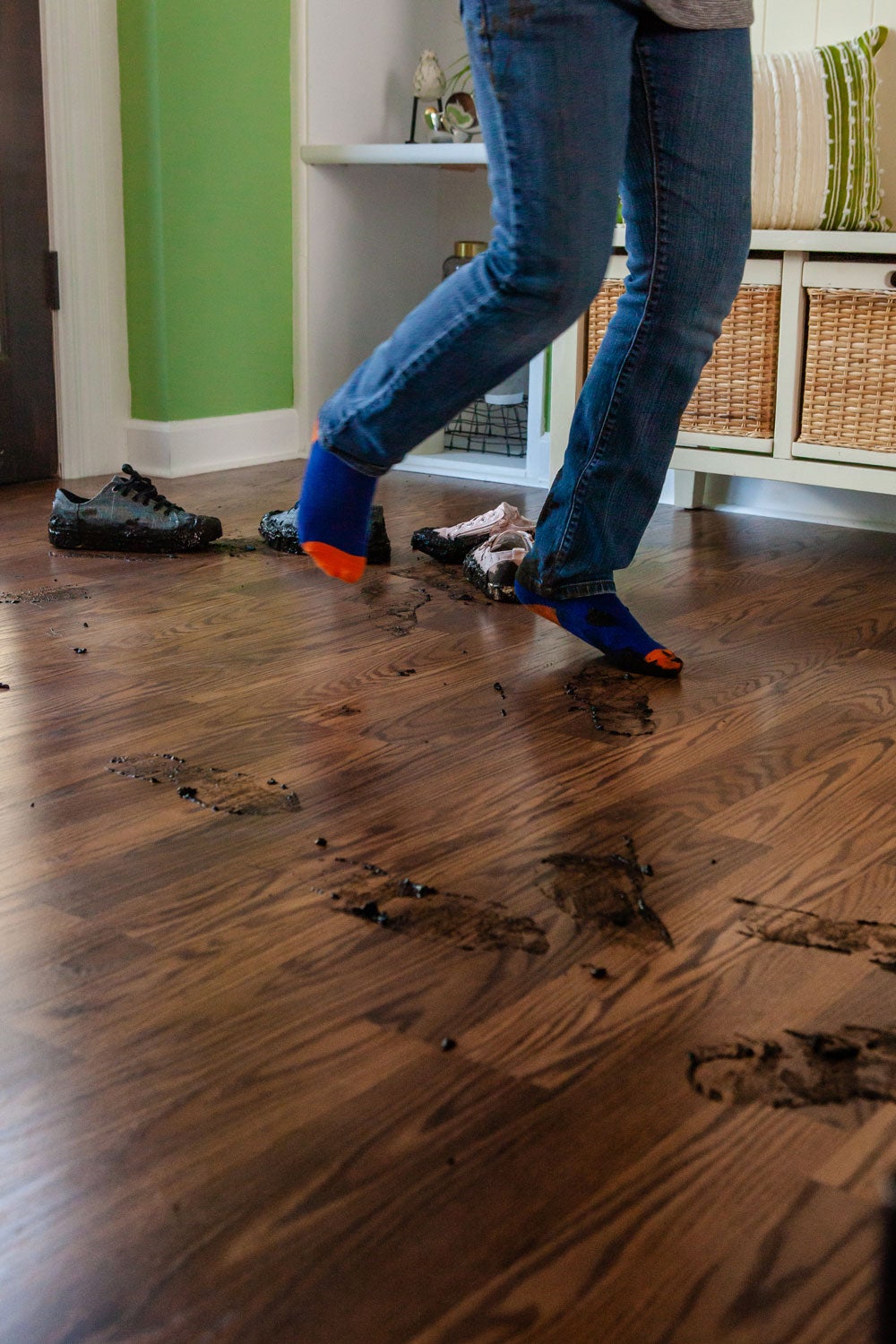
Choose smart footwear
Socks are fine if they have good grip. The last thing you want is to find yourself airborne. Those rubber-dotted ones aren’t just for hospital patients.
If you like wearing slippers, pick a pair that comes with sturdy non-slip soles. Some homeowners serious about traction even opt for dedicated slip-on shoes or sneakers with quality tread.
Lighting options
Dimly lit hallways and staircases are almost guaranteed to create missteps combined with winter moisture. Place lamps in the darkest areas, and you can invest in motion-sensor nightlights to light up dark areas without blinding you at 2 AM.
Handrails and grab bars
Staircases, landings, and other areas of your home that require careful footing should have sturdy grip options. If you have handrails installed, check them for wobbles. If they aren’t totally secure, get out your tools and tighten them up.
Also, having grab bars installed isn’t just for the elderly. Adding a little extra stability down long hallways, in bathrooms, and even kitchens is never a bad thing.
A Little Effort Creates a Lot of Safety
No homeowner wants to treat moving through their own home like navigating a minefield. Fortunately, preventing slips and falls in winter never requires a complete overhaul of your home.
All you’ll need is a few smart adjustments. With a doormat here, a boot tray there, and some extra attention to moisture control, you’ll create a far safer indoor environment this season.
Want to learn more about optimizing your flooring for safety throughout the year? Explore the Empire blog – we’re covering all the seasons and all types of floors to keep you safe and happy with your flooring investment!
